Spinning and yarn06 · Carding and drawingPinnedAnswered

How do carding and drawing decide whether the yarn is even?

Answered by BHR · Spinning technologistSpinning mill, Navoiy8 posts · 10 sources

  1. QuestionSpinning and yarn#1

    The question

    Loose cotton tufts become one even strand.

    Step 06 of 12Carding and drawing
  2. BHR · Spinning technologistSpinning mill, Navoiy#2

    What happens

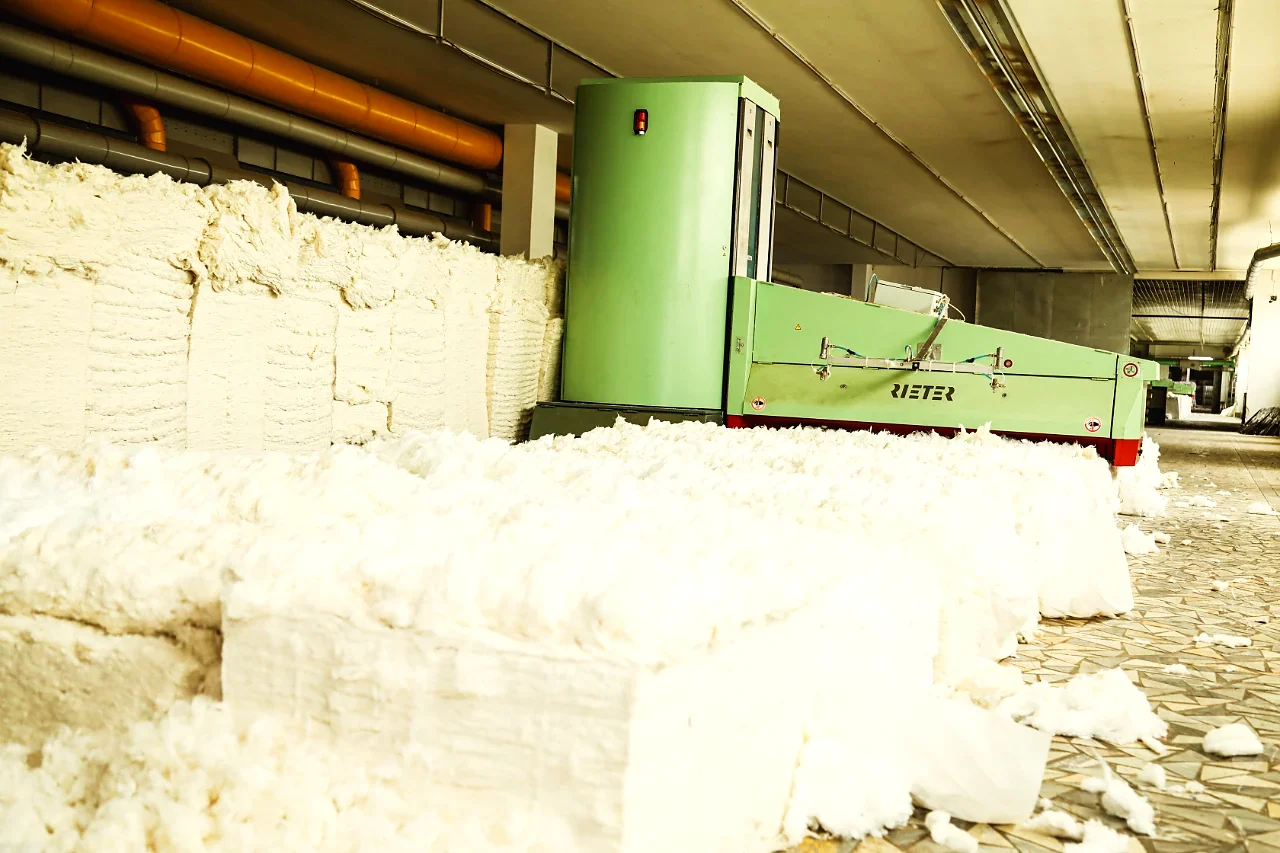
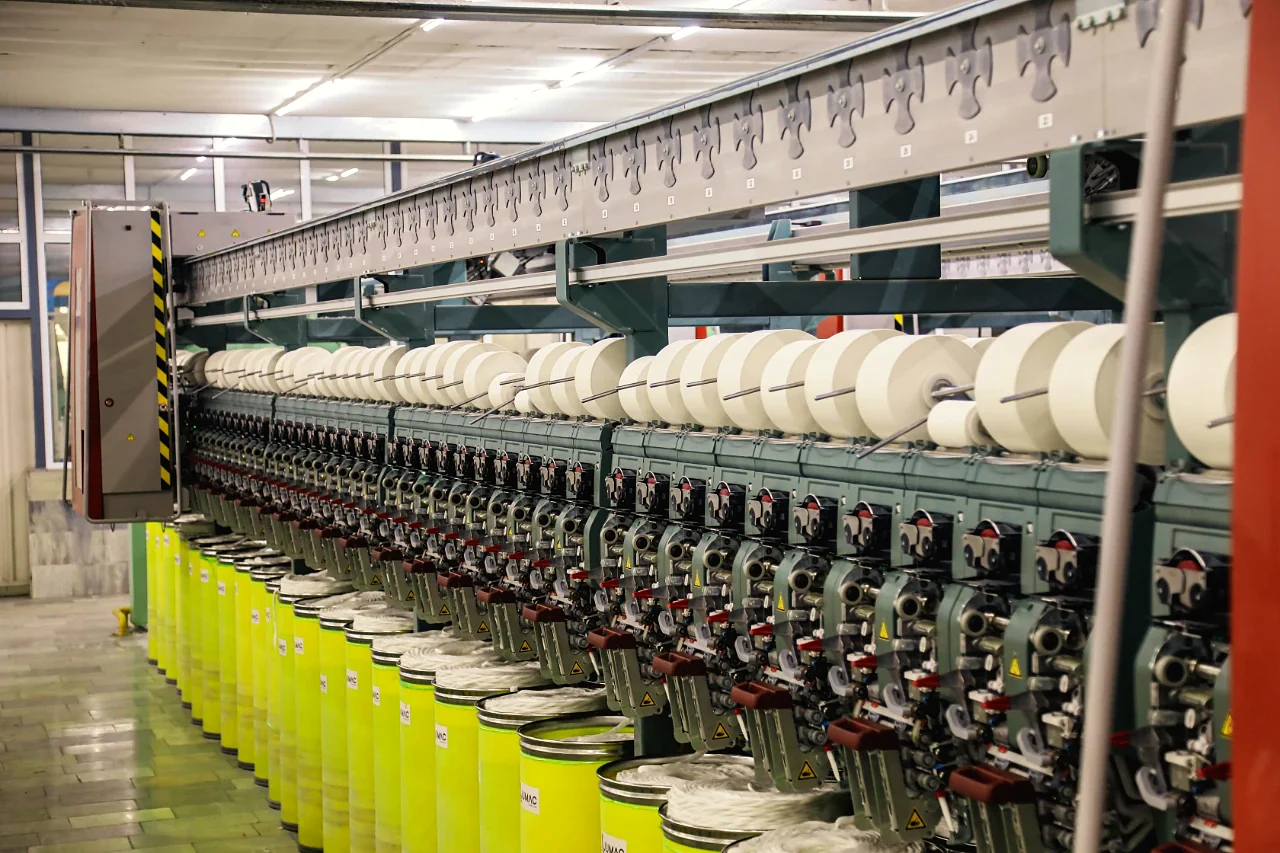
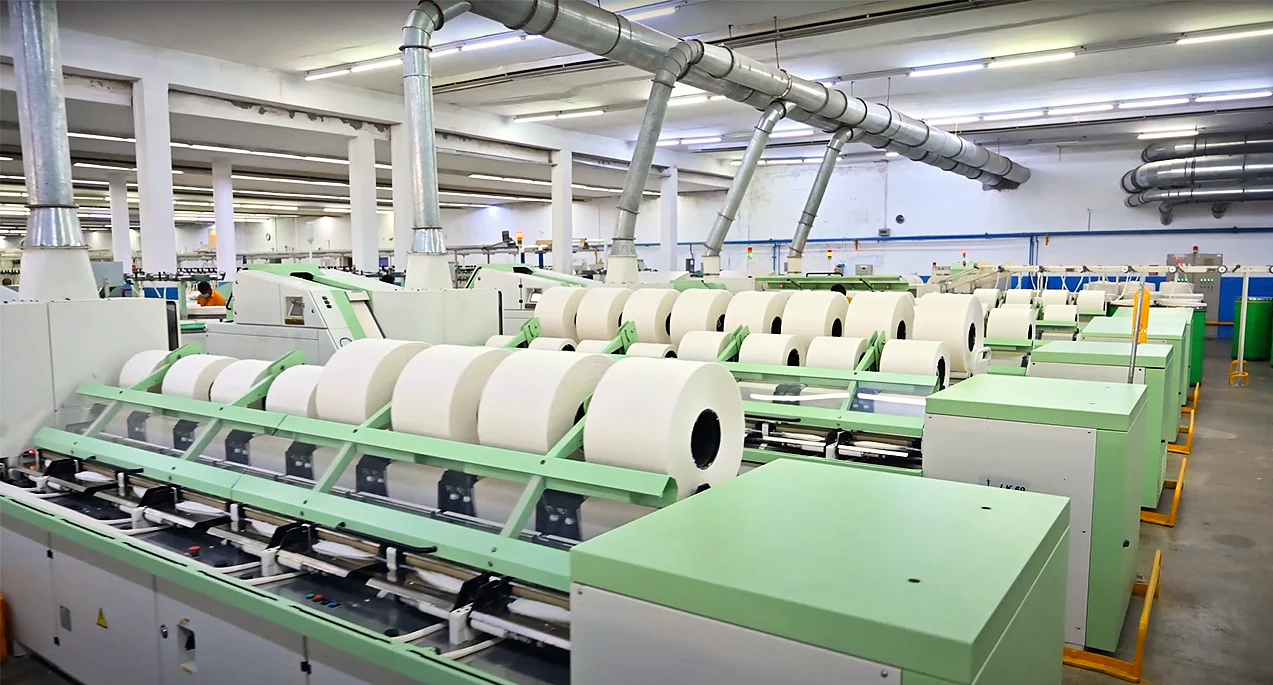
    Cotton reaches the spinning mill as compressed tufts. The carding machine separates them into individual fibres between wire-covered rollers set fractions of a millimetre apart. It removes most remaining trash and neps (tiny fibre knots), roughly aligns the fibres and forms sliver: a soft, untwisted rope. Drawing then runs several slivers together through roller pairs turning progressively faster, stretching them into one strand: thick and thin spots average out and fibres straighten. An autoleveller measures the sliver continuously and adjusts the stretch to keep its weight constant. For finer, smoother yarns, combing removes short fibres and more neps.

  3. BHR · Spinning technologistSpinning mill, Navoiy#3

    Why it matters

    1. Neps that pass the card end up in the fabric. Immature-fibre neps take little dye and show as white specks, found only once dyeing costs are spent.
    2. Machine differences can leave stripes in fabric. Cotton Incorporated lists card-to-card differences in trash removal, and poor blending through finisher drawing, as causes of barré (repeating stripes).
    3. Repeating unevenness in sliver shows in fabric: variations of about 1–50 cm cause a moiré pattern; those over 5 m can cause cross-stripes (Uster Technologies patent).
    4. Fibres under about 12 mm slip through drafting rollers in small bundles, a major cause of thick places in yarn. Uster found combing them out reduces thick places.
  4. BHR · Spinning technologistSpinning mill, Navoiy#4

    Best practice

    • Service card wire by measurement, not the calendar: test every card’s sliver for neps weekly, as Uster advises, and grind only above a set limit. Nep levels rise faster after each grind.uster.com (opens in a new tab)
    • Work to a maintenance schedule. Cotton Incorporated advises checking all card wire and settings every 600 operating hours, and keeping the card room at about 24–29 °C and 40–60% relative humidity.cottoninc.com (opens in a new tab)
    • Autolevel and monitor the final drawing stage. Trützschler calls precise levelling in the last draw-frame passage ‘decisive’ for yarn quality; Rieter’s monitor stops the frame automatically when sliver thickness leaves set limits.truetzschler.com (opens in a new tab)rieter.com (opens in a new tab)
    • Renew draw-frame wear parts in time. Rieter expects roller covers, belts and clearers to last 1–3 years; in one mill, renewal cut sliver unevenness by 8% and yarn imperfections by 14%.rieter.com (opens in a new tab)
    • When combing, match noil (the waste removed) to the incoming fibre and state whether yarn is fully or partially combed. With the same cotton, 16% noil gives better yarn than 10%.cottonworks.com (opens in a new tab)
  5. BHR · Spinning technologistSpinning mill, Navoiy#5

    At BHR

    • TrützschlerSpinning mill equipment, Germany
    • RieterSpinning mill equipment, Switzerland
  6. BHR · Spinning technologistSpinning mill, Navoiy#6

    Did you know?

    For many cottons, the ideal gap between a card’s cylinder and flats is about 0.075 mm, narrower than a sheet of paper. Heat and centrifugal force shift it in operation.

    blog.truetzschler.com (opens in a new tab)
  7. BHR · Spinning technologistSpinning mill, Navoiy#7

    The terms

    Sliver
    A soft, untwisted rope of loosely aligned fibres made by carding and drawing.
    Nep
    A tiny knot of tangled fibres, often immature, that can show as a speck.
    Noil
    Short fibres, neps and trash removed by the comber, given as a percentage.
    Autoleveller
    A device that measures sliver and adjusts the stretch to keep its weight constant.
    Barré
    Unwanted repeating bars or stripes across a fabric.
  8. BHR · Spinning technologistSpinning mill, Navoiy#8

    Sources

    1. USDA ARS, Agricultural Research (May 1997): Neps (opens in a new tab)agresearchmag.ars.usda.gov
    2. Cotton Incorporated TRI 1002: Barré (opens in a new tab)cottoninc.com
    3. US Patent 5,671,061 (assigned to Uster Technologies AG): periodic mass variations in sliver and yarn (opens in a new tab)patents.google.com
    4. Uster Technologies SE-636: Process control in spinning (opens in a new tab)uster.com
    5. Cotton Incorporated TRI 1008: Quality Carding (opens in a new tab)cottoninc.com
    6. Trützschler: Autoleveller draw frame TD 10 (opens in a new tab)truetzschler.com
    7. Rieter: Draw frame RSB-D 27 (Rieter Quality Monitor) (opens in a new tab)rieter.com
    8. Rieter: Draw frame mini kit improves sliver and yarn quality (case study) (opens in a new tab)rieter.com
    9. CottonWorks: Textile Yarns (opens in a new tab)cottonworks.com
    10. Trützschler blog: The Trützschler card TC 19i, the first intelligent card (opens in a new tab)blog.truetzschler.com

Spinning and yarn

More in this board

All 3 threads in this board

From cotton picking to finished garment in 12 steps

  1. 01Growing cotton
  2. 02Cotton picking
  3. 03Ginning
  4. 04Fibre testing and classing
  5. 05Opening, blending and cleaning
  6. 06Carding and drawing
  7. 07Spinning and winding
  8. 08Knitting and weaving
  9. 09Dyeing and finishing
  10. 10Pattern making and cutting
  11. 11Sewing and printing
  12. 12Inspection, packing and delivery

Still have a question on this?

Did not find the answer here? Send us your question.

Send a question