Cutting and sewing11 · Sewing and printingPinnedAnswered

Seam types and printing: what should I check on a finished garment?

Answered by BHR · Garment productionSewing factory8 posts · 9 sources

  1. QuestionCutting and sewing#1

    The question

    From cut panels to finished, printed garments.

    Step 11 of 12Sewing and printing
  2. BHR · Garment productionSewing factory#2

    What happens

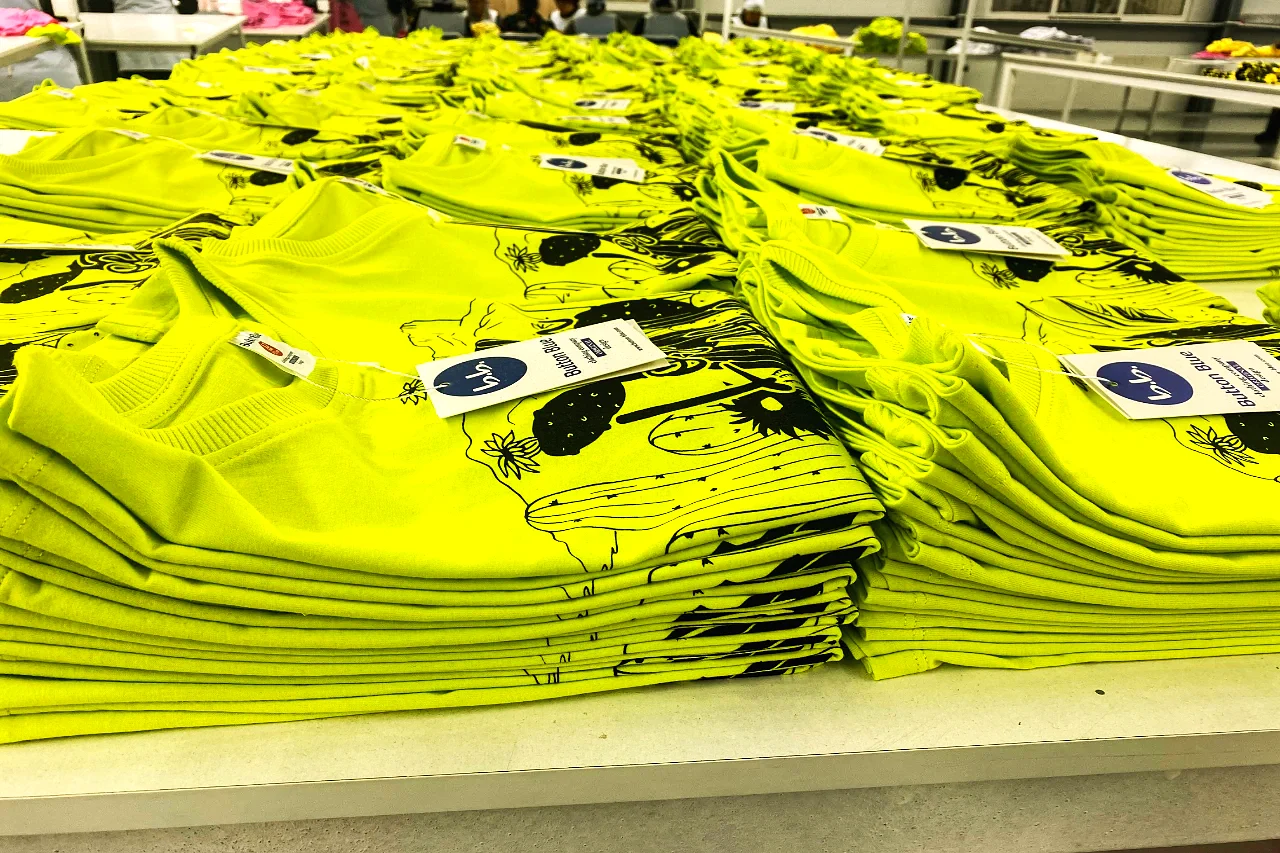
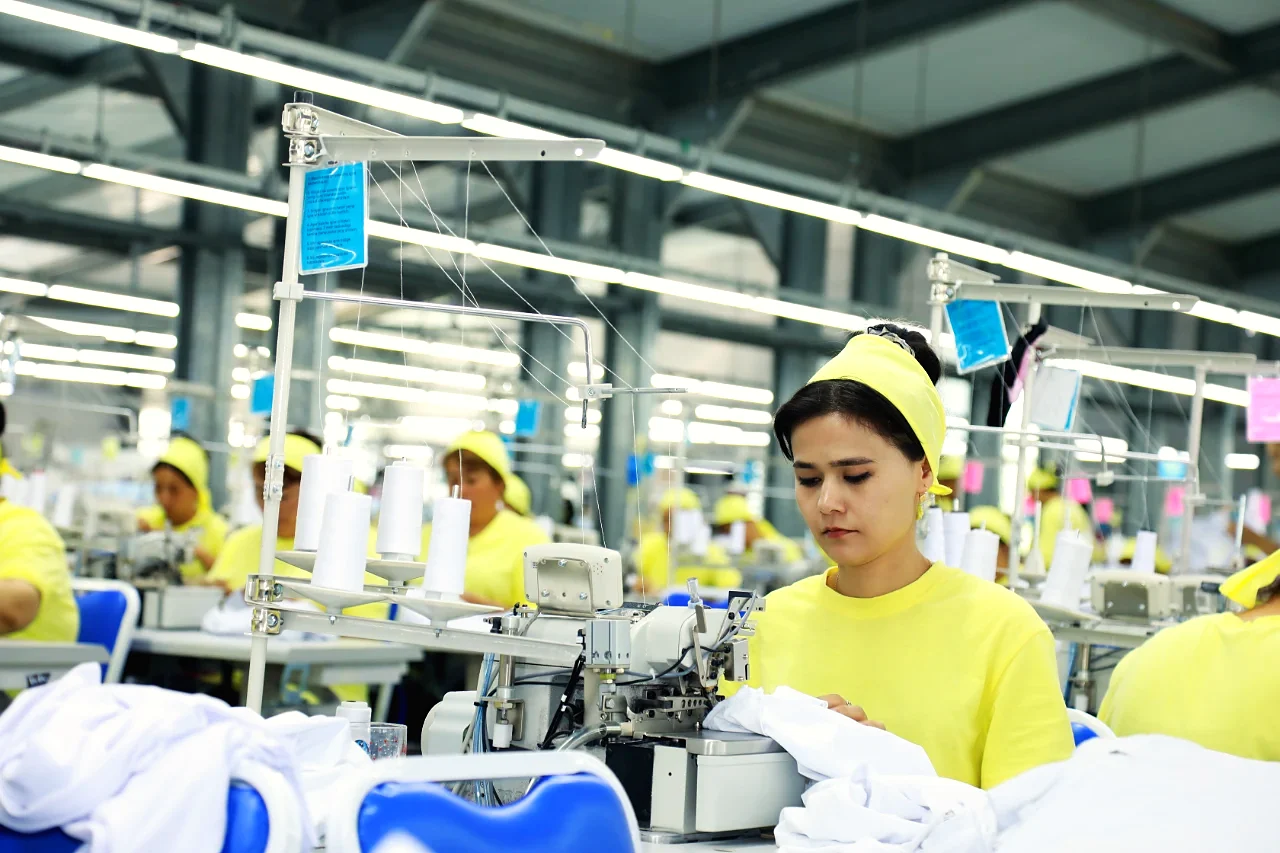
    Knitted panels, cut to pattern, are joined into garments on specialised machines. Overlock machines sew and neaten the cut edge in one pass. Cover-stitch machines make the flat, stretchy hems on sleeves and bottoms; lockstitch machines sew details. The work is split into short operations along a sewing line, each timed so that no station holds up the next. Screen printing pushes ink through a fine mesh stencil, one screen per colour, and the print is then heat-cured so that it survives washing. Finally, steam and heat press each garment into shape before inspection and packing.

  3. BHR · Garment productionSewing factory#3

    Why it matters

    1. A knit seam must stretch. ASTM D6193 says it should be slightly more elastic than the fabric; with over-tight tension or too few stitches, thread snaps under strain.
    2. The wrong needle damages the fabric. A needle that is too thick or has the wrong point breaks knit loops and leaves holes right beside the seam.
    3. A needle fragment in a garment can cause scratches or, if a child swallows it, fatal injury. Retailers such as Primark require documented needle and metal control.
    4. Plastisol ink must cure through its whole thickness, or it can crack and flake off in the wash. A badly under-cured print can deteriorate after 1–3 washes.
  4. BHR · Garment productionSewing factory#4

    Best practice

  5. BHR · Garment productionSewing factory#5

    At BHR

    • 5 500 000garments a year at our two sewing factories in Navoiy region
    • 20colours per print, maximum, at our Tashkent screen-printing shop
    • 100 × 70cm maximum print area, SULFET equipment
    • Kansai · Union Specialsewing machines at both factories
  6. BHR · Garment productionSewing factory#6

    Did you know?

    In Coats’ example, an average knitted T-shirt takes about 68 m of thread. A three-thread overlock uses about 14 cm of thread per centimetre of seam; a lockstitch, 2.5 cm.

    cdn.coats.com (opens in a new tab)
  7. BHR · Garment productionSewing factory#7

    The terms

    Overlock (overedge) stitch
    A stitch that joins fabric and wraps its cut edge in one pass.
    Stitches per inch (SPI)
    Number of stitches in one inch of seam; it affects strength, stretch and appearance.
    Curing
    Heating a print until the whole ink layer fuses and becomes wash-resistant.
    Plastisol ink
    Screen-printing ink that forms a tough, elastic film when heated.
    Standard minute value (SMV)
    The time one operation should take, in minutes, set by work study.
  8. BHR · Garment productionSewing factory#8

    Sources

    1. ASTM D6193-16(2020): Standard Practice for Stitches and Seams (opens in a new tab)store.astm.org
    2. A&E (American & Efird): Selecting the right stitches per inch (opens in a new tab)amefird.com
    3. Groz-Beckert: Selecting the right sewing needle (opens in a new tab)groz-beckert.com
    4. Lawson Screen Products: General information about plastisol inks (opens in a new tab)lawsonsp.com
    5. Primark: Metal Control Policy (opens in a new tab)primark.a.bigcontent.io
    6. Coats: Seam types (opens in a new tab)coats.com
    7. Avient: Wilflex Product Selection Guide (opens in a new tab)avient.com
    8. Nabi, Mahmud, Islam (2015): Improving sewing section efficiency through line balancing, Int. J. Textile Science 4(1) (opens in a new tab)article.sapub.org
    9. Coats: Thread Consumption Guide (opens in a new tab)cdn.coats.com

Cutting and sewing

More in this board

All 2 threads in this board

From cotton picking to finished garment in 12 steps

  1. 01Growing cotton
  2. 02Cotton picking
  3. 03Ginning
  4. 04Fibre testing and classing
  5. 05Opening, blending and cleaning
  6. 06Carding and drawing
  7. 07Spinning and winding
  8. 08Knitting and weaving
  9. 09Dyeing and finishing
  10. 10Pattern making and cutting
  11. 11Sewing and printing
  12. 12Inspection, packing and delivery

Still have a question on this?

Did not find the answer here? Send us your question.

Send a question