Cotton and fibres01 · Growing cottonPinnedAnswered

Where is fibre quality actually decided — what happens in the field?

Answered by BHR · AgronomistAgro service, Jondor8 posts · 9 sources

  1. QuestionCotton and fibres#1

    The question

    Fibre quality is decided in the field.

    Step 01 of 12Growing cotton
  2. BHR · AgronomistAgro service, Jondor#2

    What happens

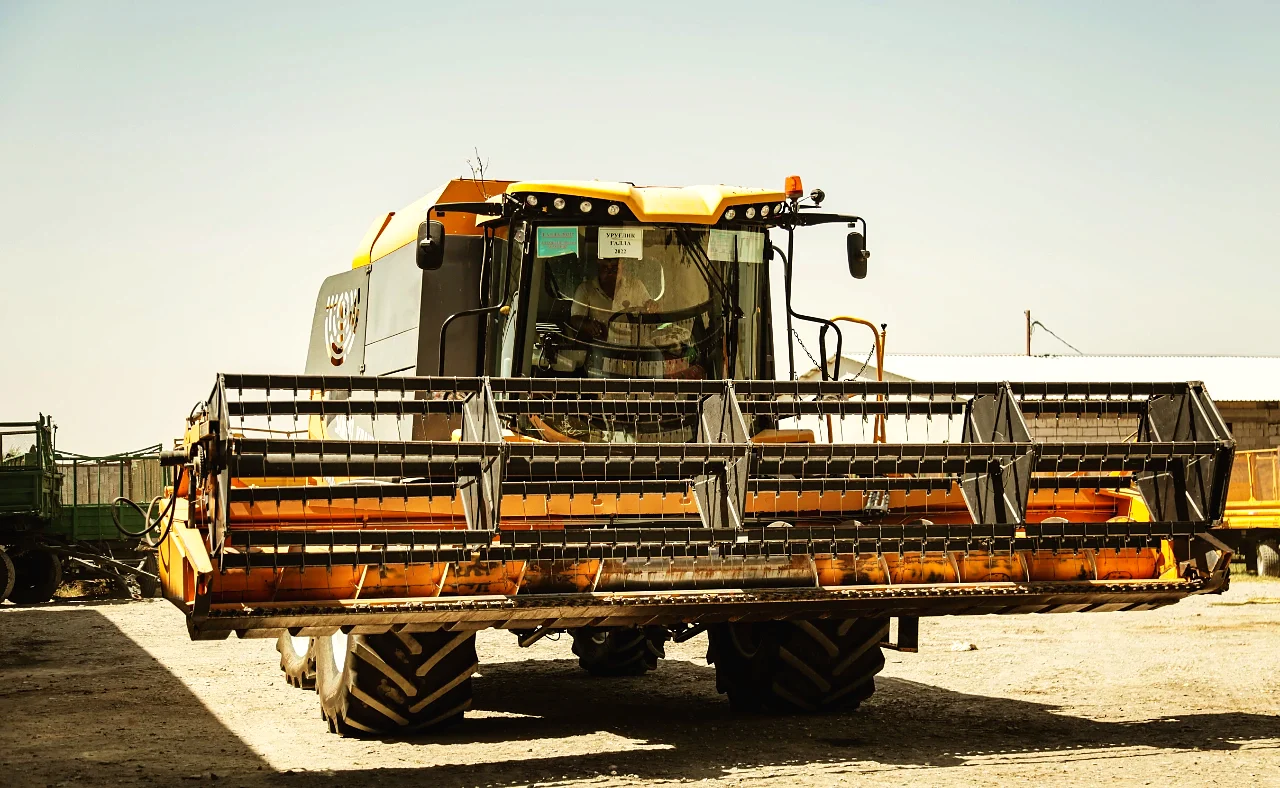
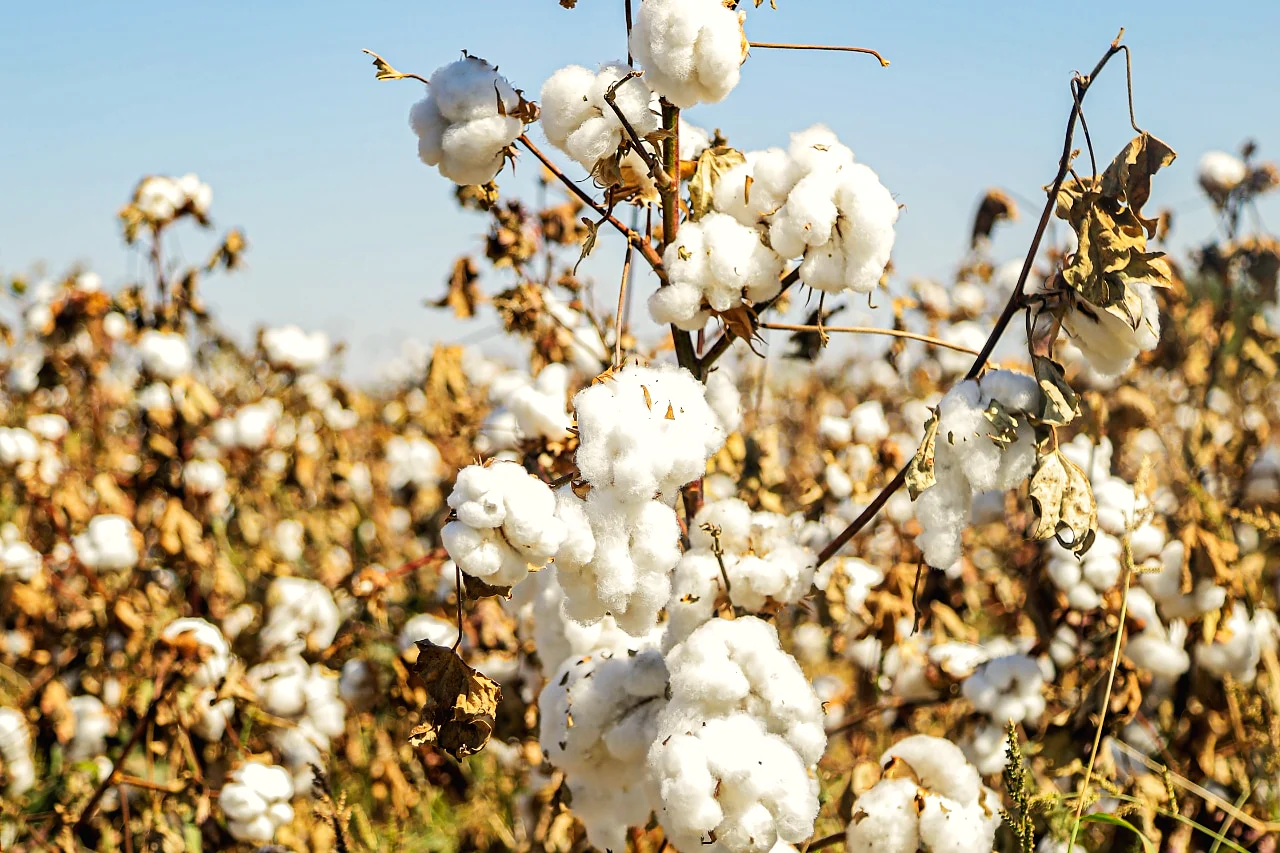
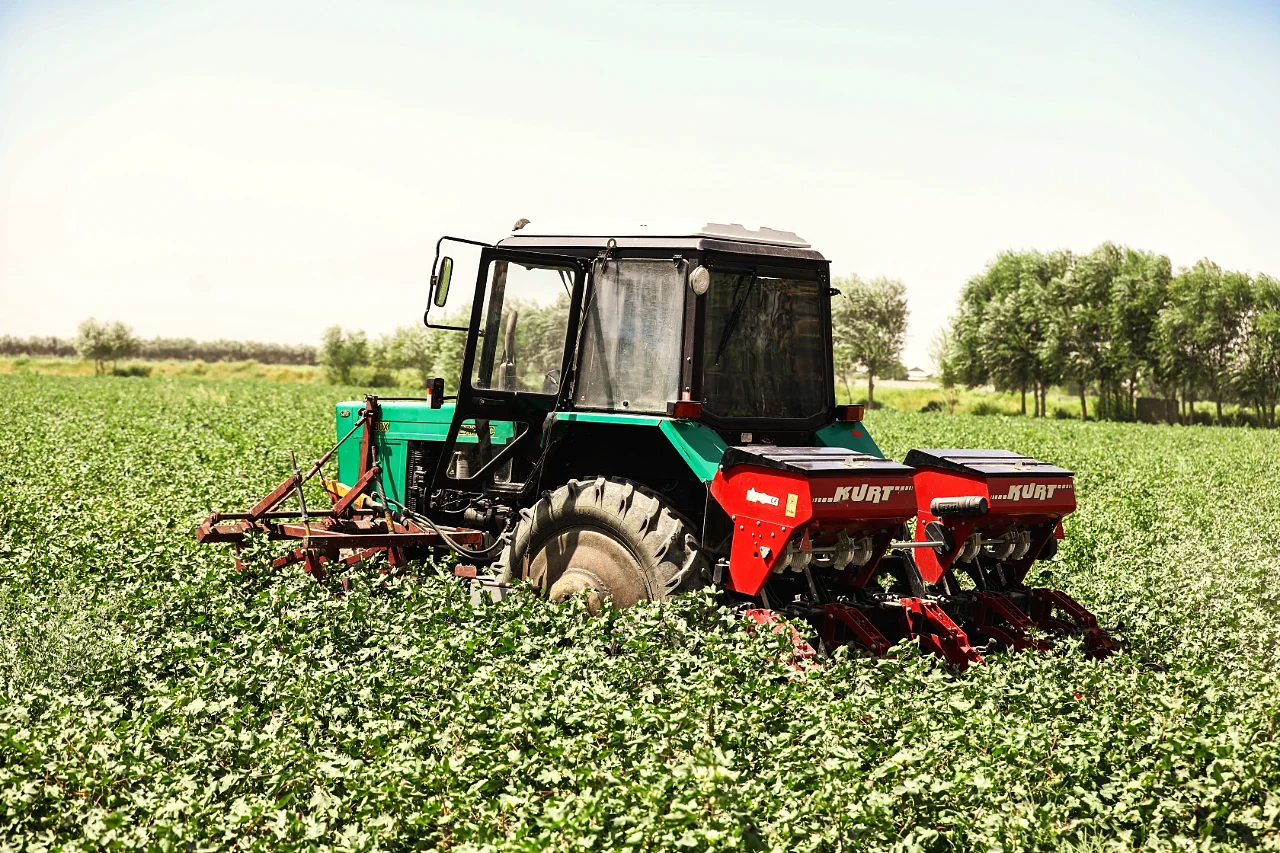
    Growers pick a variety suited to the climate and intended yarn, and sow tested, vigorous seed into warm soil. Fields are levelled, often by laser, so irrigation water spreads evenly. Through summer the crop is watered, fed and protected from pests and weeds. Each fibre is one cell: it reaches full length about three weeks after flowering, then its wall thickens for about three more. Drought, heat or nutrient shortage at that stage can leave fibres short or immature, and no later process can fix that. Rotating cotton with wheat helps limit soil-borne disease.

  3. BHR · AgronomistAgro service, Jondor#3

    Why it matters

    1. A season cut short or a potassium shortage can leave fibres immature. These readily form neps: tiny knots that break yarn and show as white specks after dyeing.
    2. Mature and immature fibres absorb dye differently. Fabric spun from a mix of the two dyes unevenly and can show barré (horizontal bands) or streaks.
    3. Fibre length is set in the first 16–20 days after flowering. Water stress, heat or potassium shortage shortens it, giving weaker, less even yarn and less efficient spinning.
    4. Fibre strength depends mainly on the variety, so choosing seed is a quality decision. Severe potassium shortage can still lower strength by up to 2 g/tex.
  4. BHR · AgronomistAgro service, Jondor#4

    Best practice

  5. BHR · AgronomistAgro service, Jondor#5

    At BHR

    • 17 410ha of own farmland
    • 8 700ha under cotton; laser levelling at season start
    • 8 710ha under wheat, in rotation with cotton
    • 2districts: Navbahor (Navoiy) and Payariq (Samarqand)
  6. BHR · AgronomistAgro service, Jondor#6

    Did you know?

    A cotton fibre is one cell. Unlike a tree, it lays each daily growth ring inside the last. Near-pure cellulose layers at different angles, like plywood, give it strength.

    cotton.org (opens in a new tab)
  7. BHR · AgronomistAgro service, Jondor#7

    The terms

    Micronaire
    Airflow test reading showing fibre fineness and maturity; strongly shaped by growing conditions.
    Fibre maturity
    How far the fibre’s cellulose wall has thickened; immature fibres form neps.
    Neps
    Tiny knots of tangled fibre; they cause yarn breaks and white specks.
    Laser land levelling
    Laser-guided grading that flattens a field so irrigation water spreads evenly.
  8. BHR · AgronomistAgro service, Jondor#8

    Sources

    1. National Cotton Council, Cotton Physiology Today (Sep 1990): fibre quality and micronaire (opens in a new tab)cotton.org
    2. National Cotton Council, Cotton Physiology Today (Nov–Dec 1990): fibre development, length and strength (opens in a new tab)cotton.org
    3. Cottonworks: Cotton fiber quality (opens in a new tab)cottonworks.com
    4. Texas A&M AgriLife Extension: Evaluating cotton seed quality (opens in a new tab)cotton.tamu.edu
    5. University of Georgia Extension (Tift County): A few reminders for planting cotton (opens in a new tab)site.extension.uga.edu
    6. FAO STI Portal: Laser levelling of fields to increase irrigation water efficiency (opens in a new tab)sti-portal.fao.org
    7. FAO AGRIS: IWMI laser land levelling study on cotton, northern Tajikistan (2004–2006) (opens in a new tab)agris.fao.org
    8. University of Georgia Extension (Tattnall County): Nitrogen fertilization on cotton (opens in a new tab)site.extension.uga.edu
    9. UC IPM: Cotton crop rotation guidelines (opens in a new tab)ipm.ucanr.edu

Cotton and fibres

More in this board

All 10 threads in this board

From cotton picking to finished garment in 12 steps

  1. 01Growing cotton
  2. 02Cotton picking
  3. 03Ginning
  4. 04Fibre testing and classing
  5. 05Opening, blending and cleaning
  6. 06Carding and drawing
  7. 07Spinning and winding
  8. 08Knitting and weaving
  9. 09Dyeing and finishing
  10. 10Pattern making and cutting
  11. 11Sewing and printing
  12. 12Inspection, packing and delivery

Still have a question on this?

Did not find the answer here? Send us your question.

Send a question