ProductionCotton ginning
Cotton ginning
Cotton from our own fields, ginned and pressed into bales at our plant in the Navoiy region.
At a glance
- 30,000 tof seed cotton a yearN-1209
- 8,700 haof our own cotton fieldsN-7003
- 17,410 haof farmland, cotton in rotation with wheatNH-4104
- 2regions: Navoiy and SamarqandN-1208
- 2017the year our ginning plant openedN-3303
- 2018re-equipped with Cherokee machinery from the USAN-1404
- Fields
- Navbahor district, Navoiy: 7,300 ha of cotton; Payariq district, Samarqand: 1,400 ha
- Ginning
- One plant, two divisions: saw ginning and roller ginning
- The lint goes to
- Our spinning mills in Navoiy and Bukhara
Certificates and audits
- Better Work Uzbekistan
The ILO and IFC programme lists Navbahor Tekstil among its participating factories.
Source betterwork.org - UNECE · Better Cotton
A UNECE pilot traced Better Cotton through Navbahor Tekstil, from a licensed farm through ginning, spinning, weaving and manufacturing.
Source bettercotton.org - SMETA
Social audit of Navbahor Tekstil by TÜV SÜD in August 2022: labour standards, health and safety, environment and business ethics.
Photographs
From our fields to the bale.

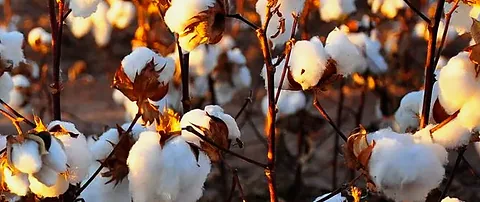
Our cotton, ready to pick 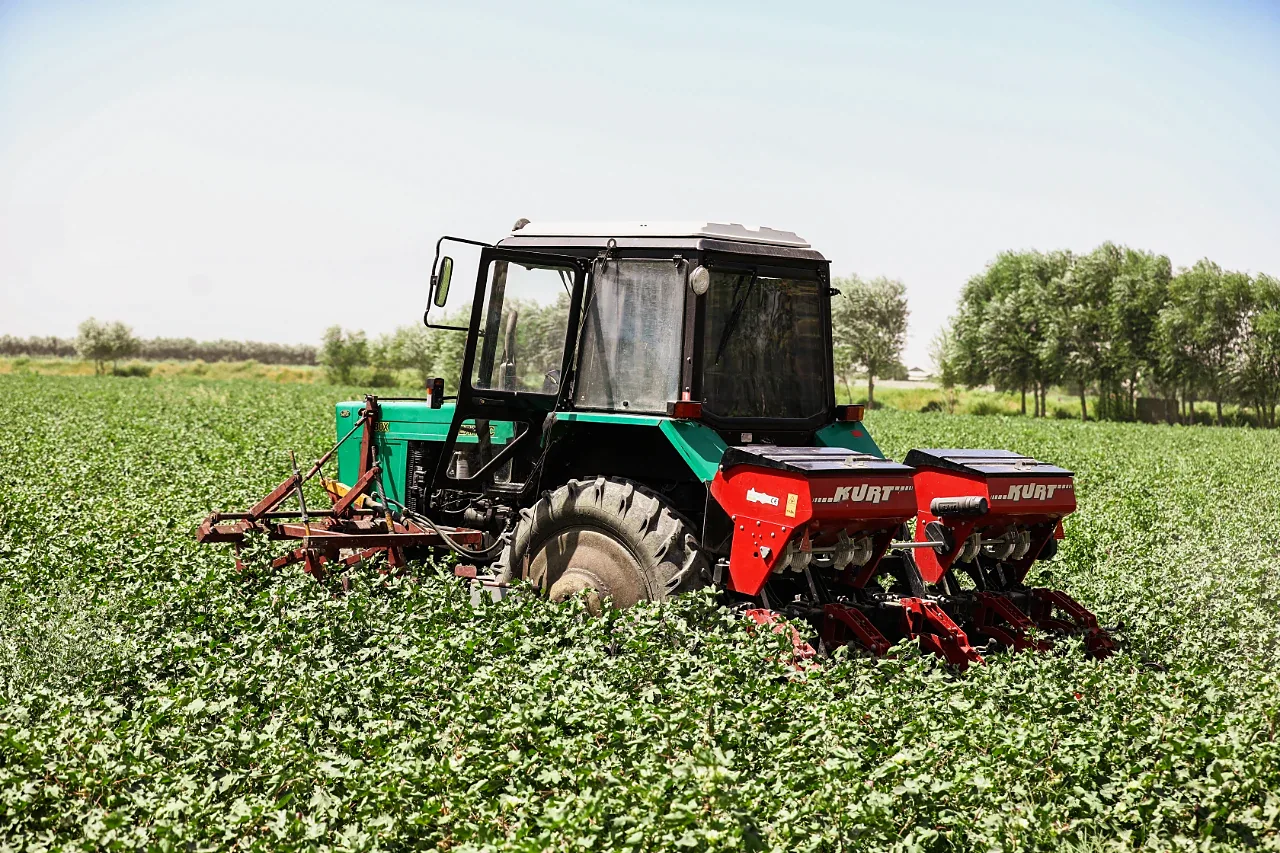
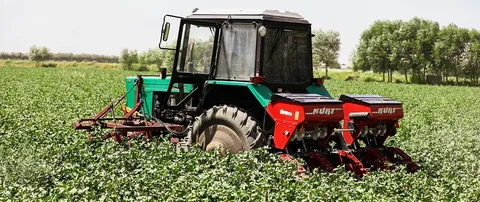
Work in our cotton fields 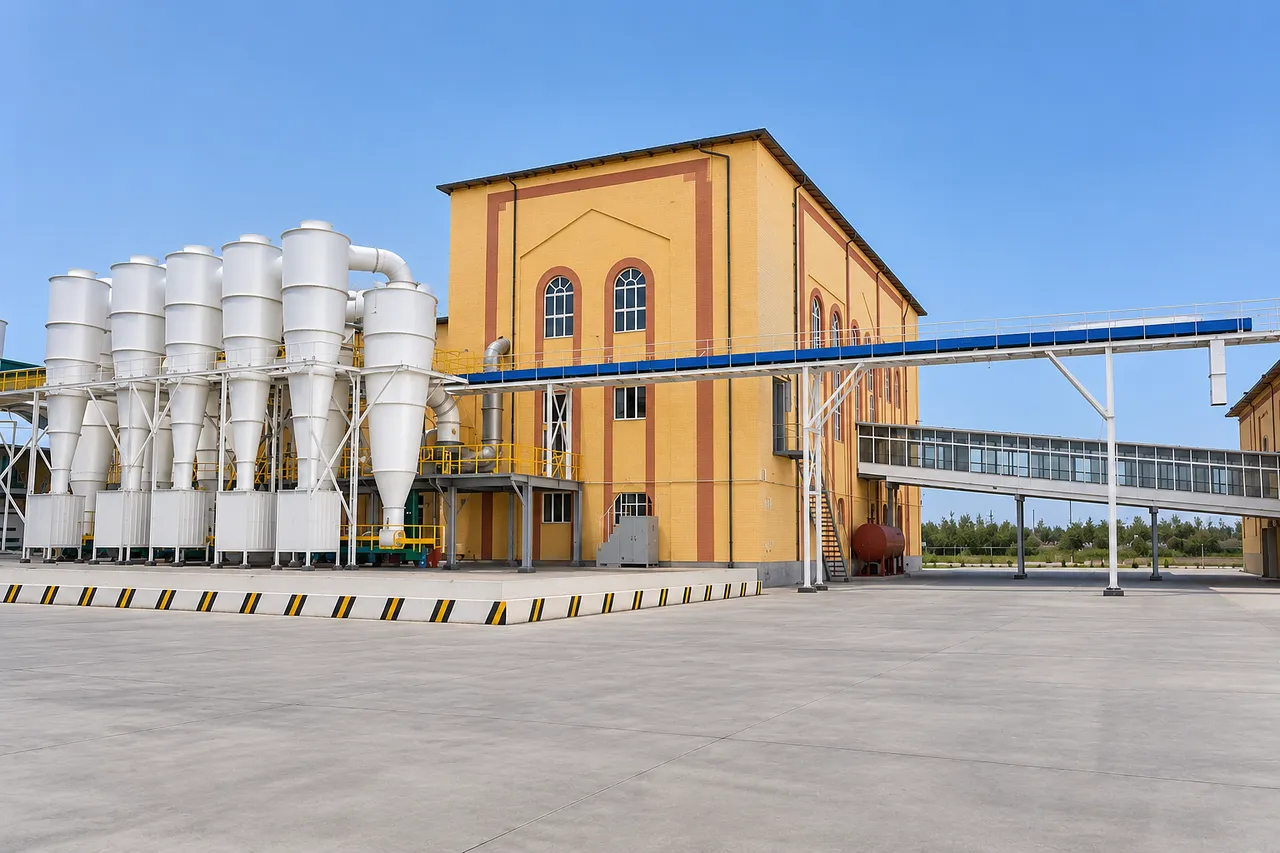
The ginning plant 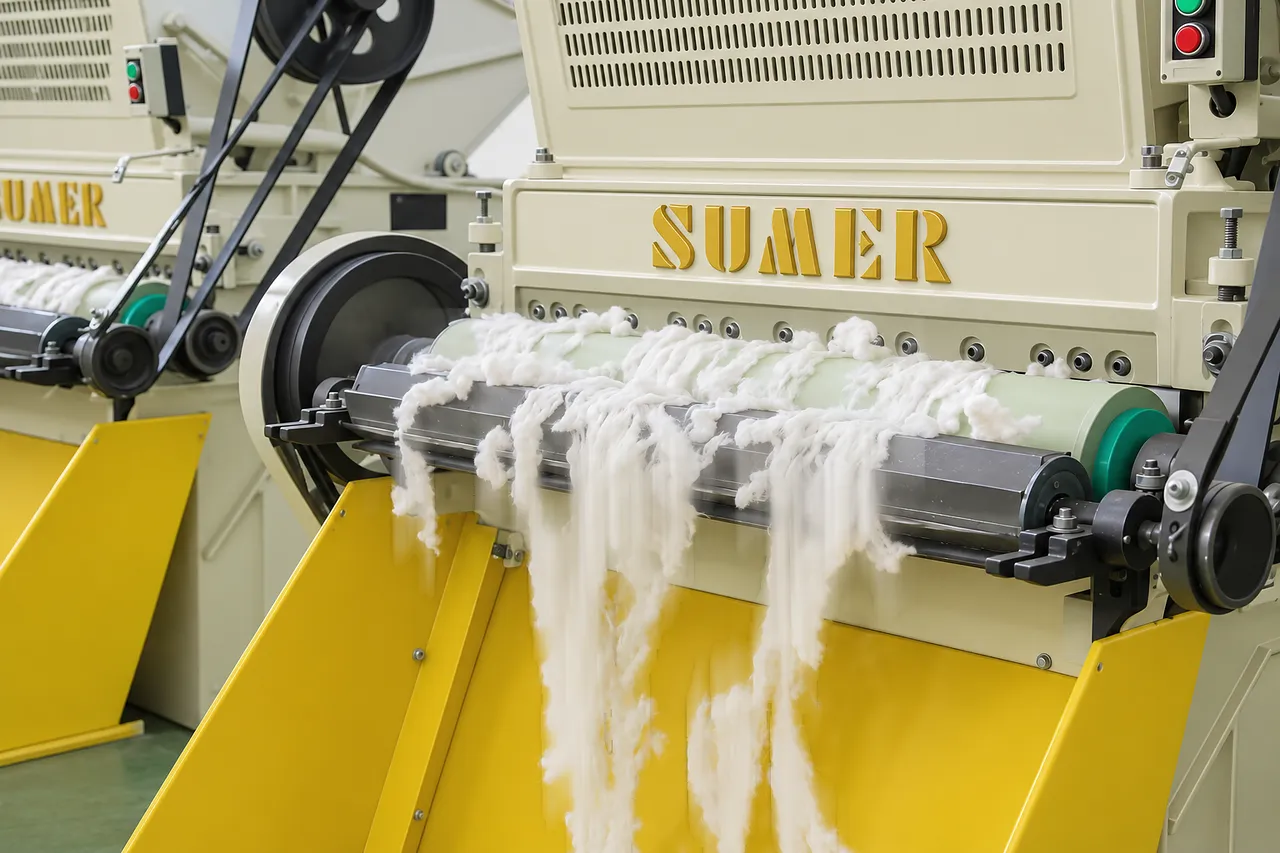
Lint leaving a SUMER roller gin 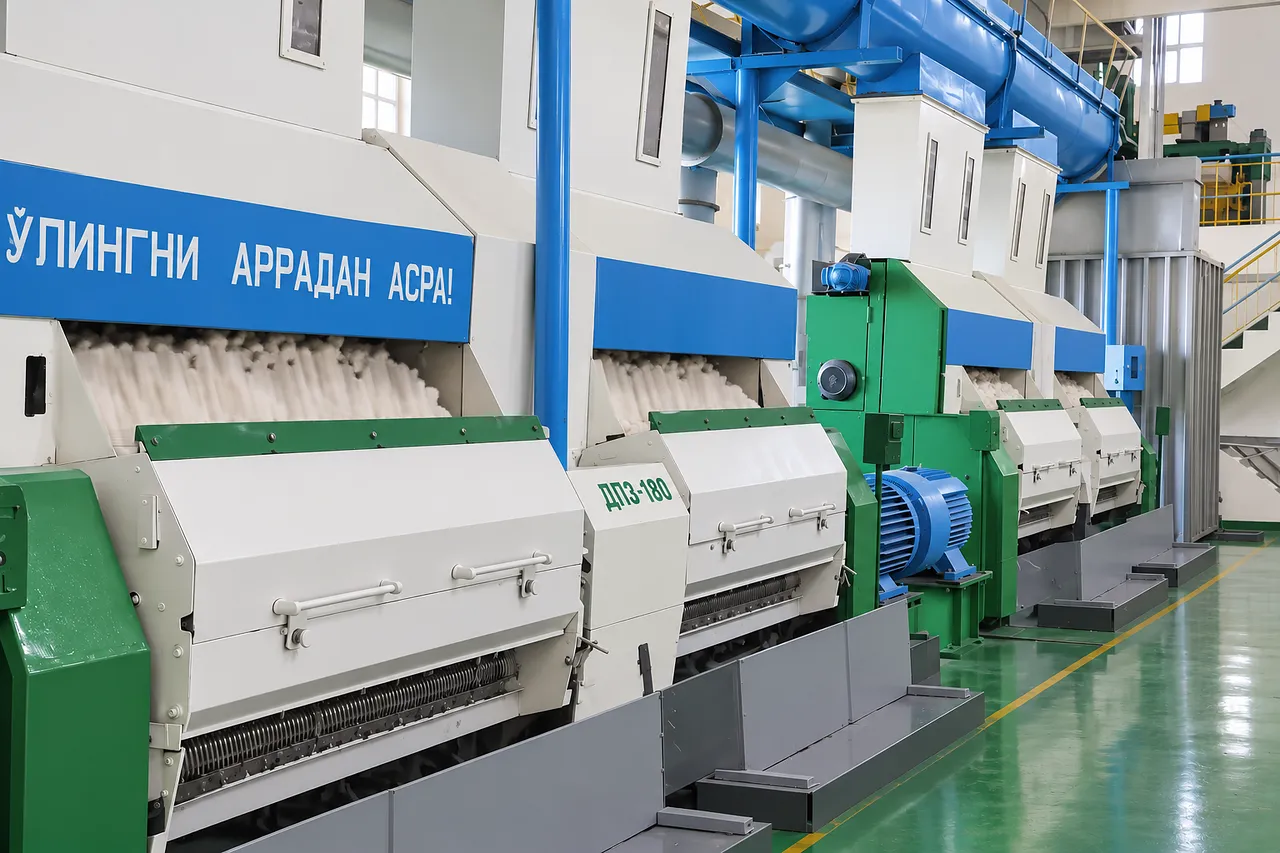
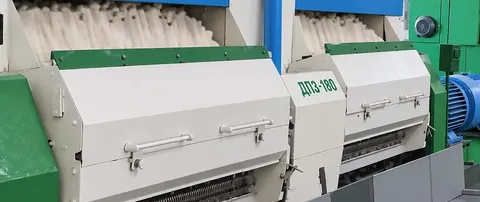
Saw gin stands 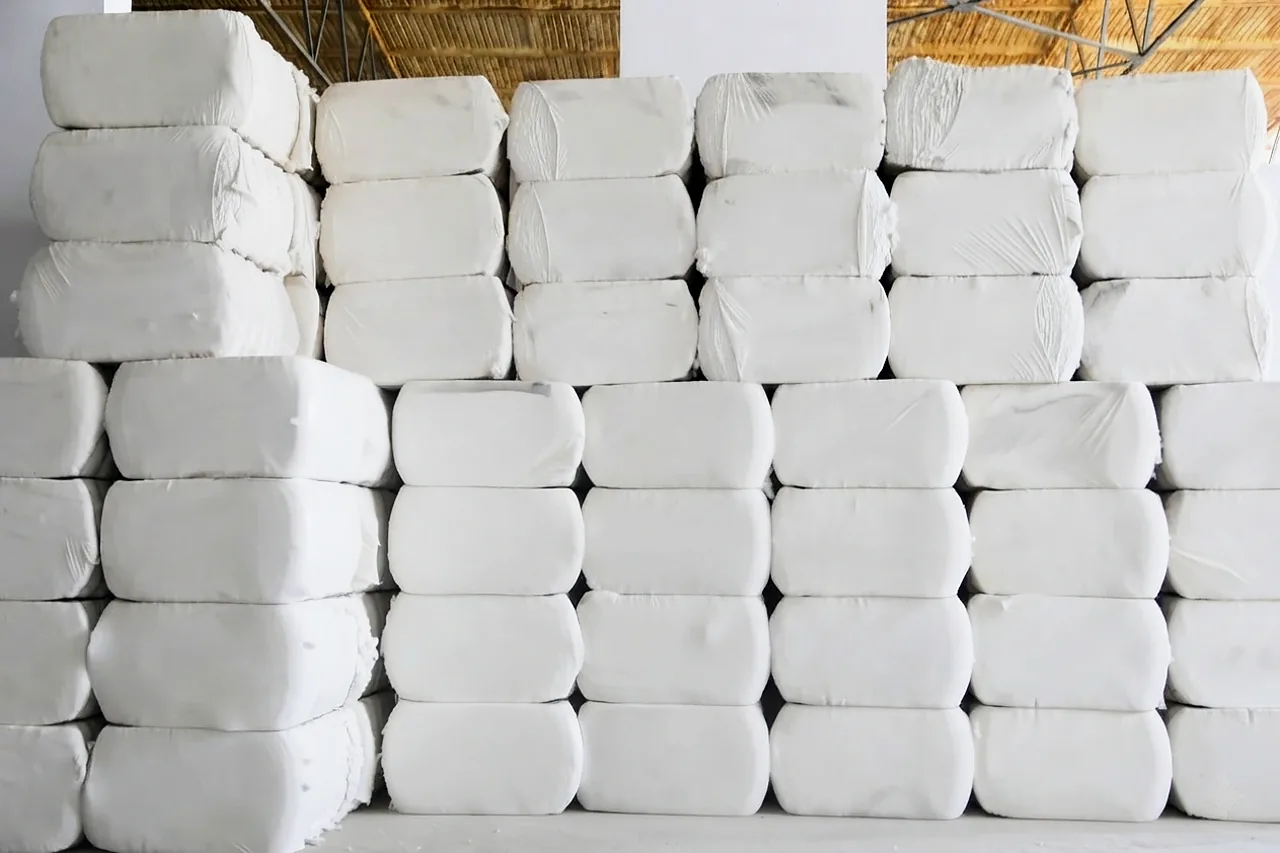
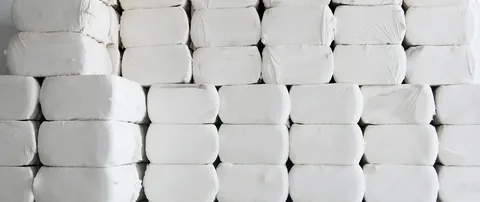
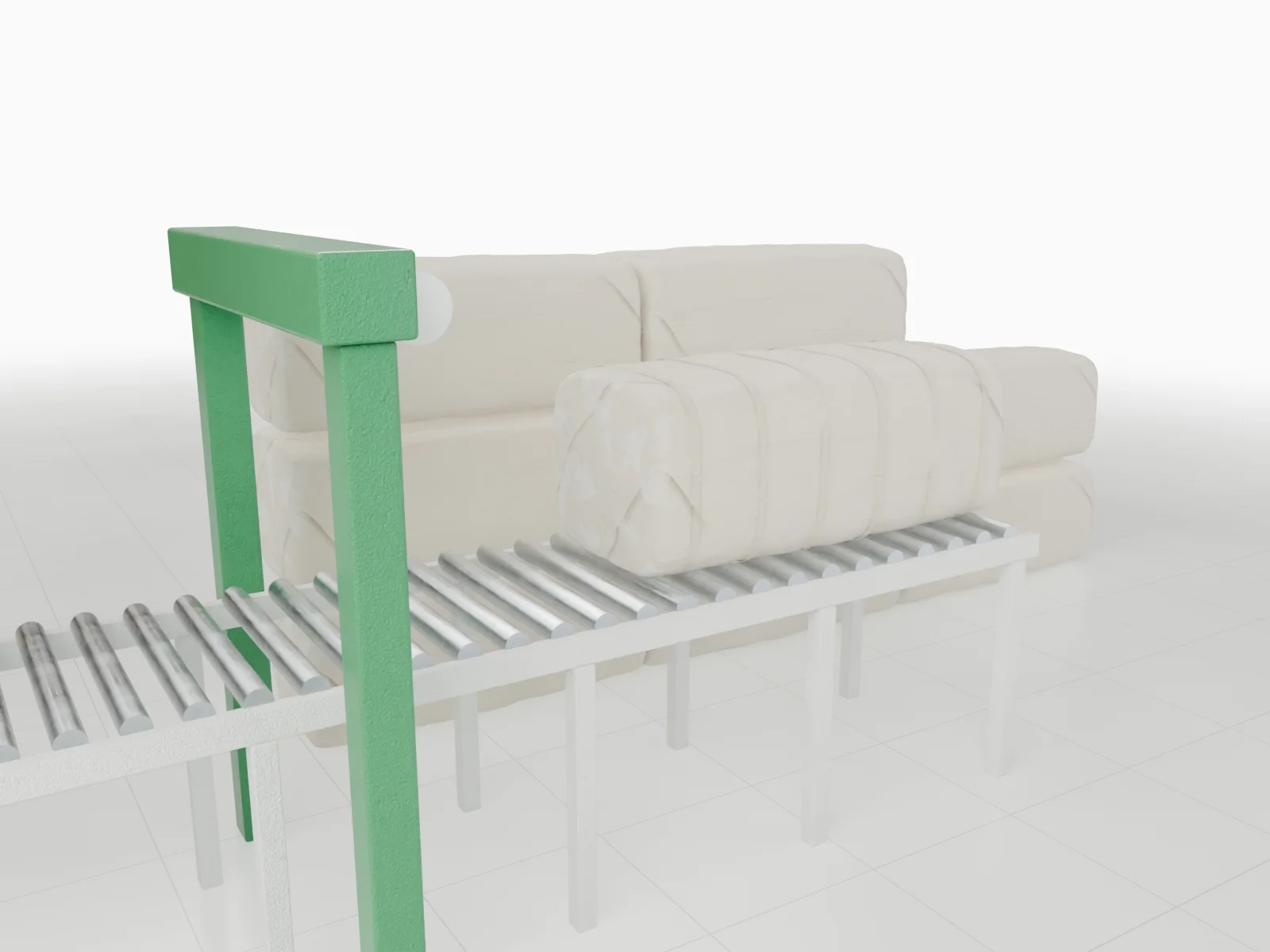
Bales of lint, wrapped
How cotton is ginned
From seed cotton to bale, on our own machines.
A guided tour of our ginning plant: the whole process in one handful of cotton, then each of our machines in 3D beside photographs from the plant.
Or start at any stage
01
 How it worksFrom seed cotton to clean fibre.Start here
Stage 1 of 4 · How it works
From seed cotton to clean fibre.
3D illustration
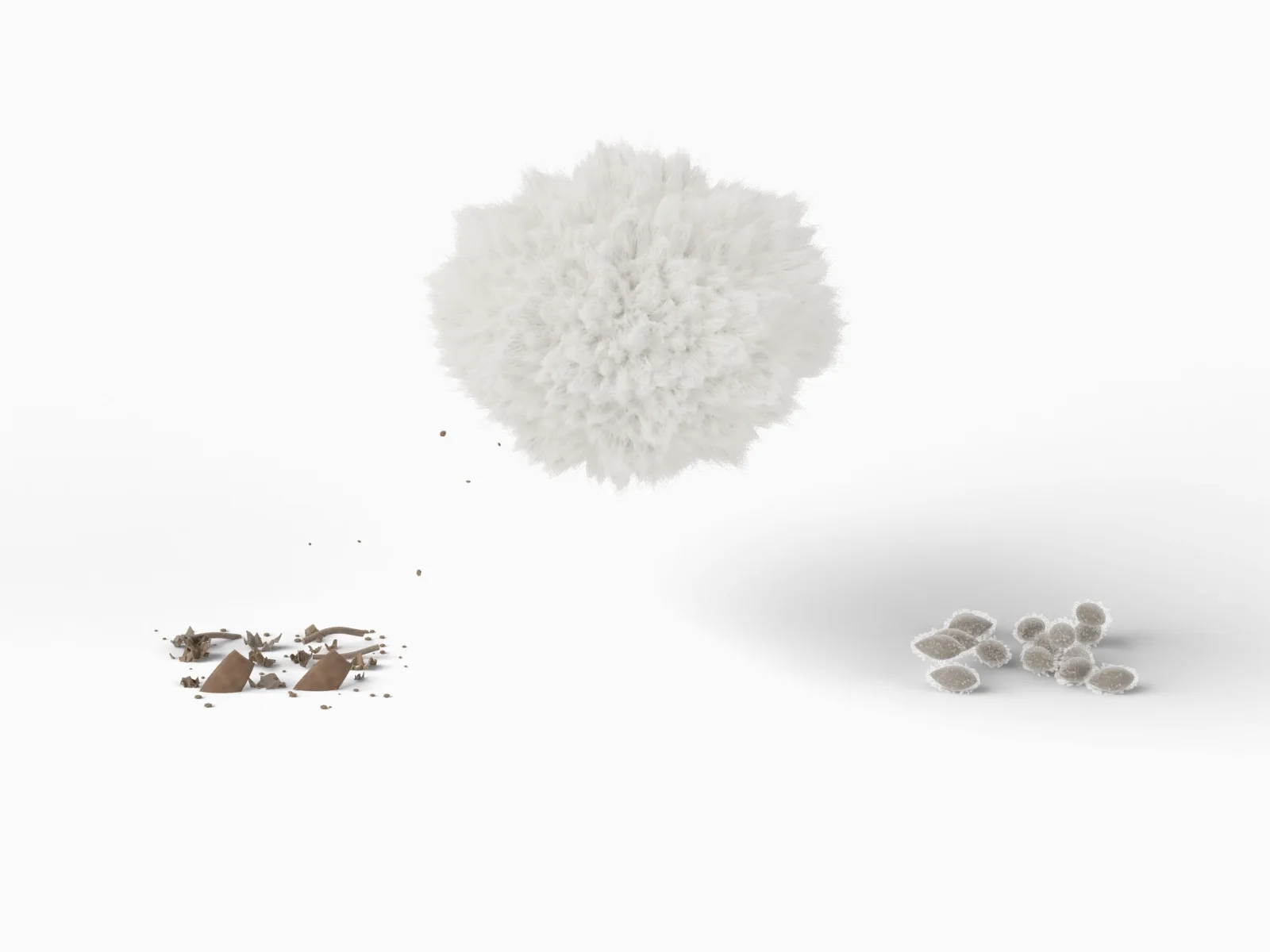
Seed cotton arrives
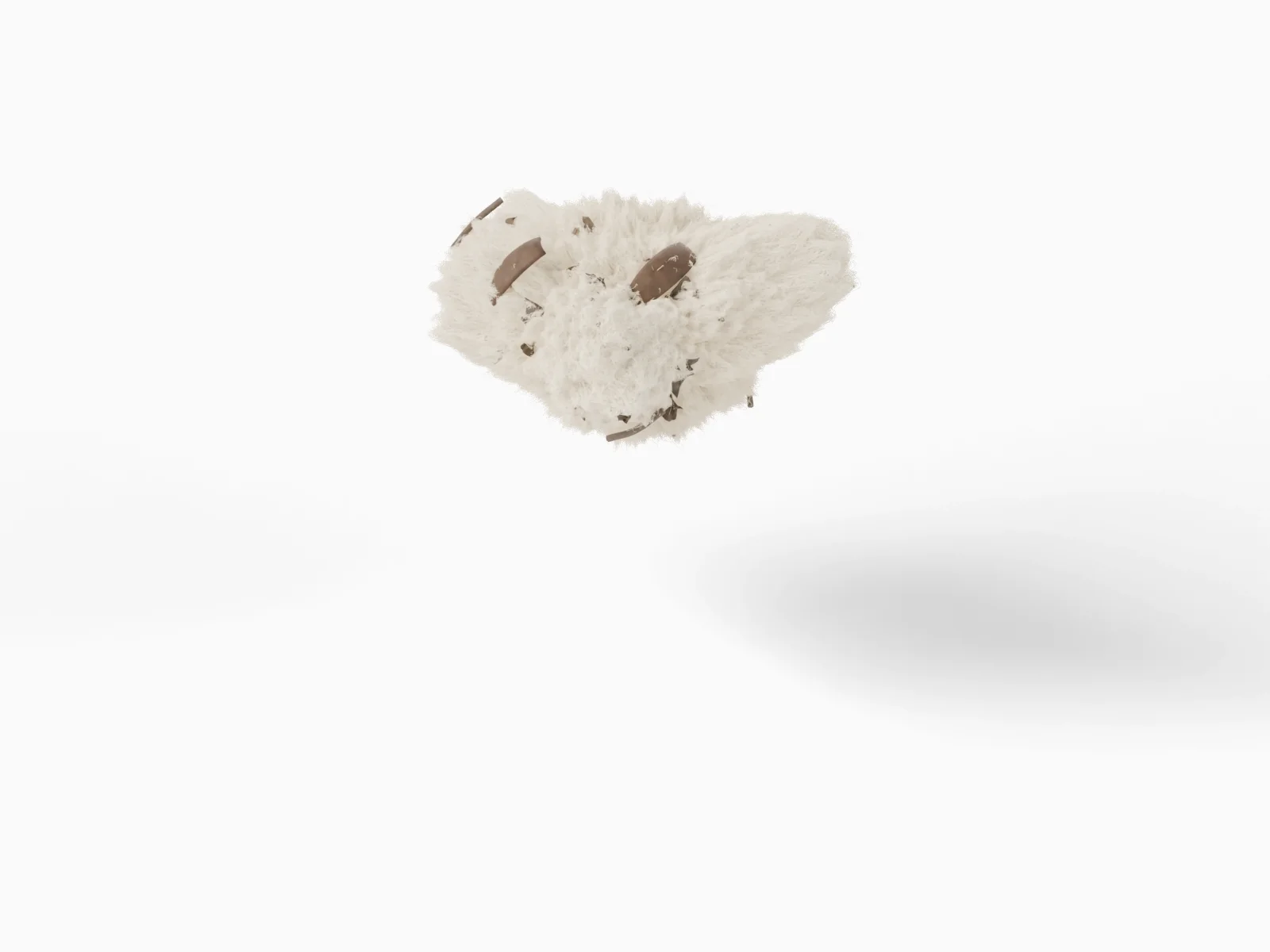
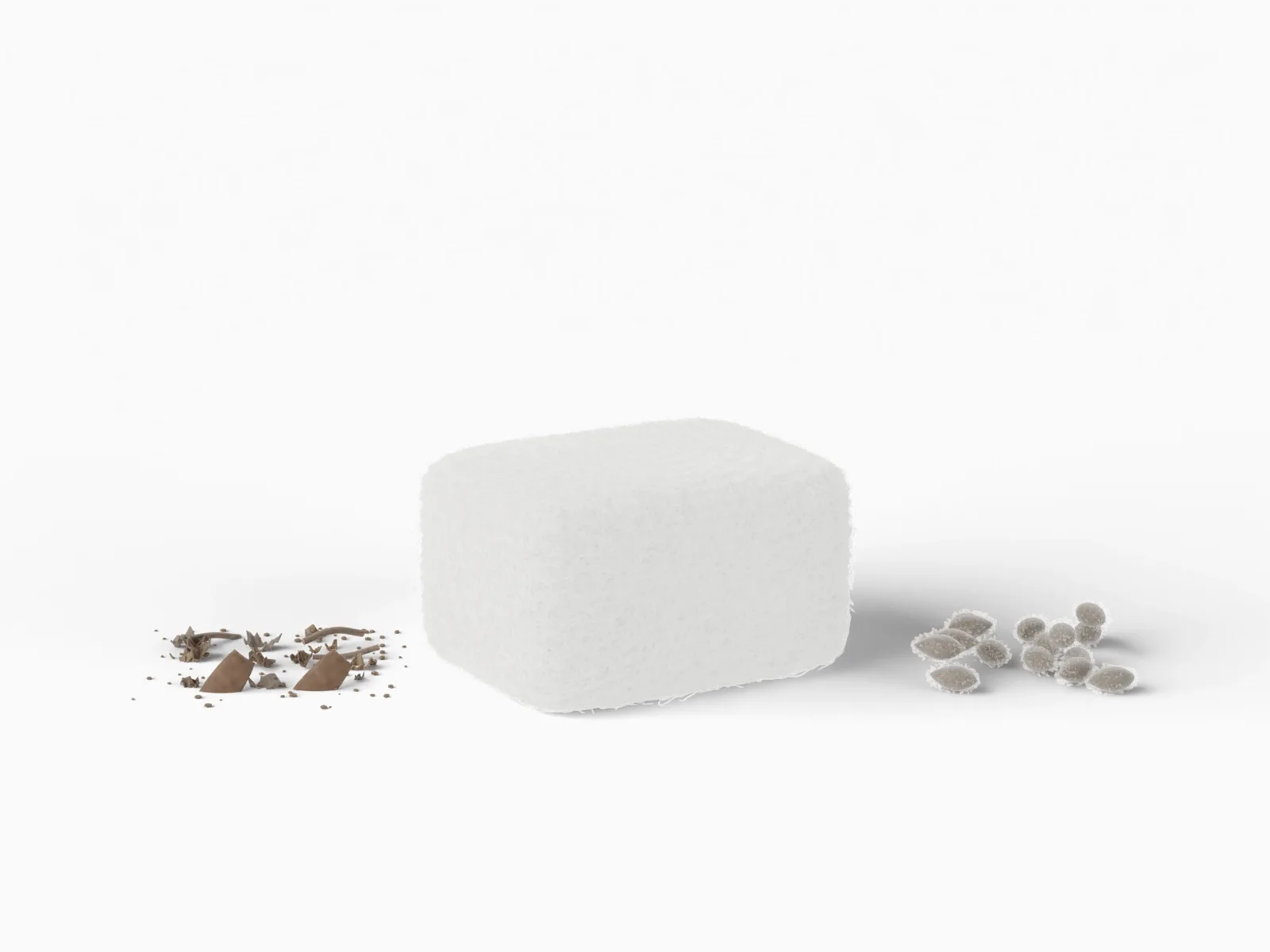
Fibre, seeds, leaf, sticks and dust, as picked. Only a third to about 40% of its weight is fibre. Dried or moistened to the right moisture first.
Cleaning
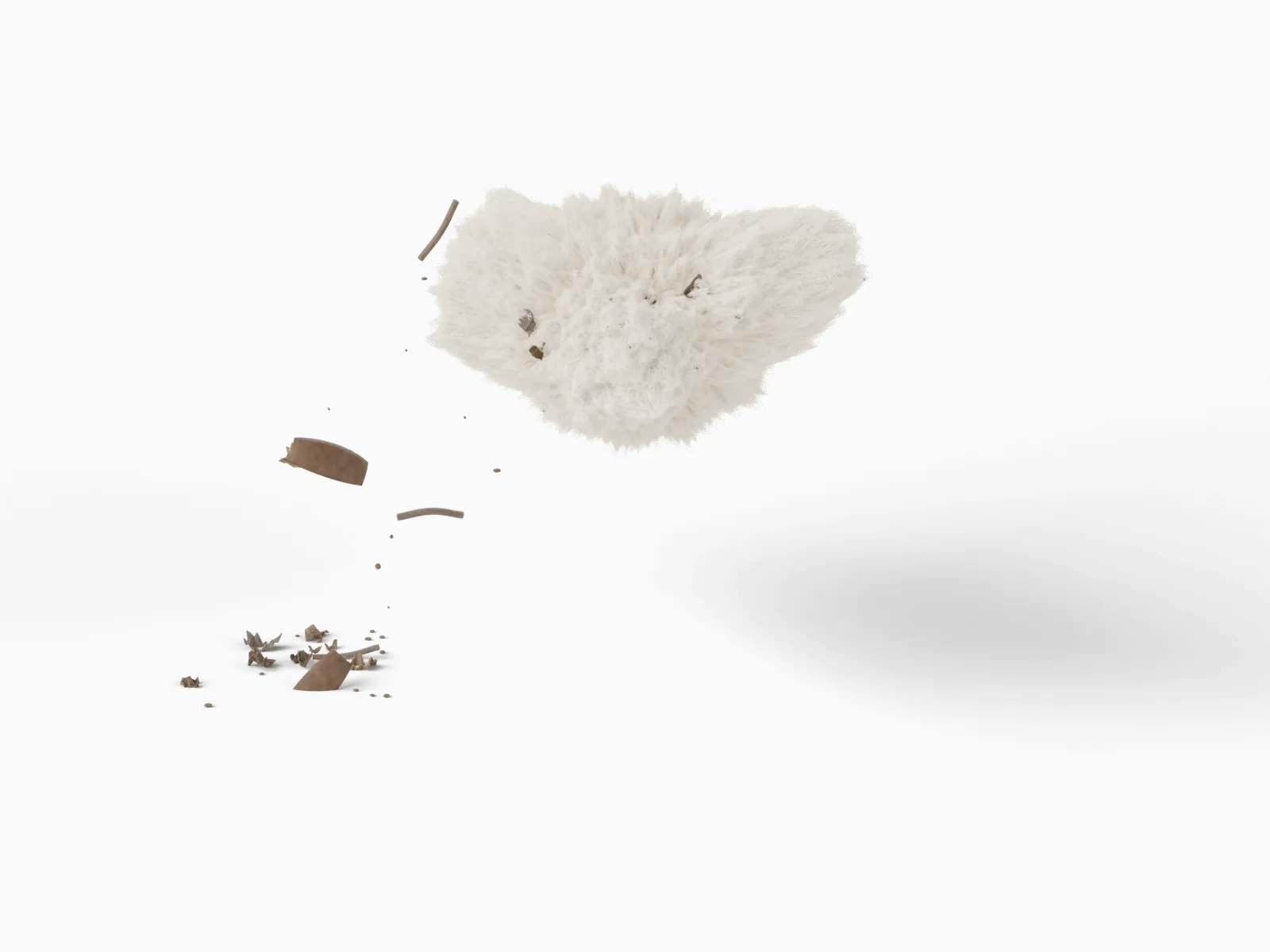
Husks, sticks, leaf and dust are knocked out. Done on the seed cotton, where it costs the fibre least.
Ginning
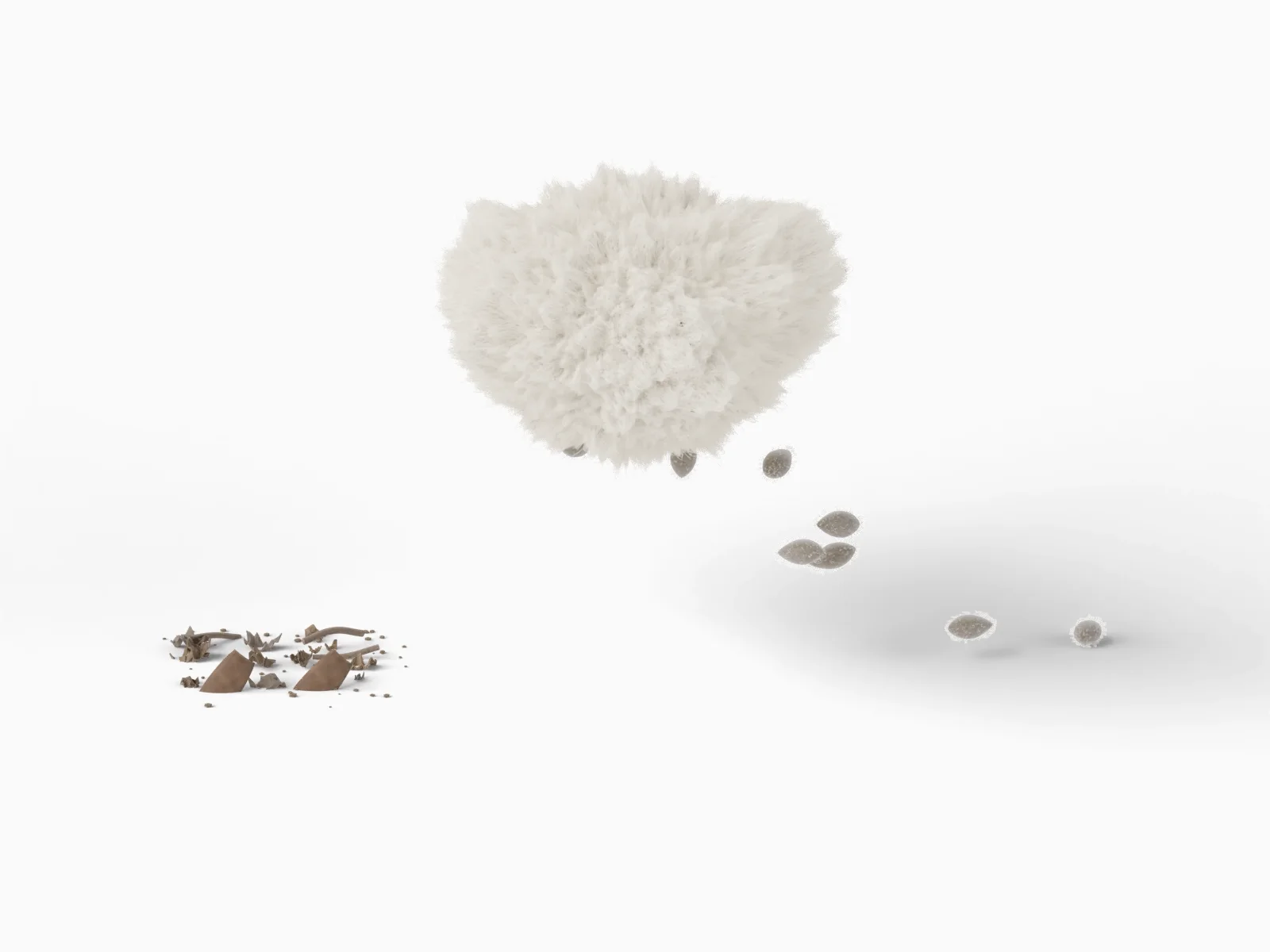
Toothed saws pull the fibre through narrow gaps between ribs. The seeds are too big to pass, and drop away.
Lint cleaning
Small trash and seed-coat fragments come out. One or two stages: each one more costs some length.
Pressed into bales
The clean lint is pressed into dense bales and wrapped for storage and transport.
02
 Roller ginningA roller draws the fibre off the seed past a knife: slower than saws, and gentler on the fibre.Start here
Stage 2 of 4 · Roller ginning
A roller draws the fibre off the seed past a knife: slower than saws, and gentler on the fibre.
3D illustration
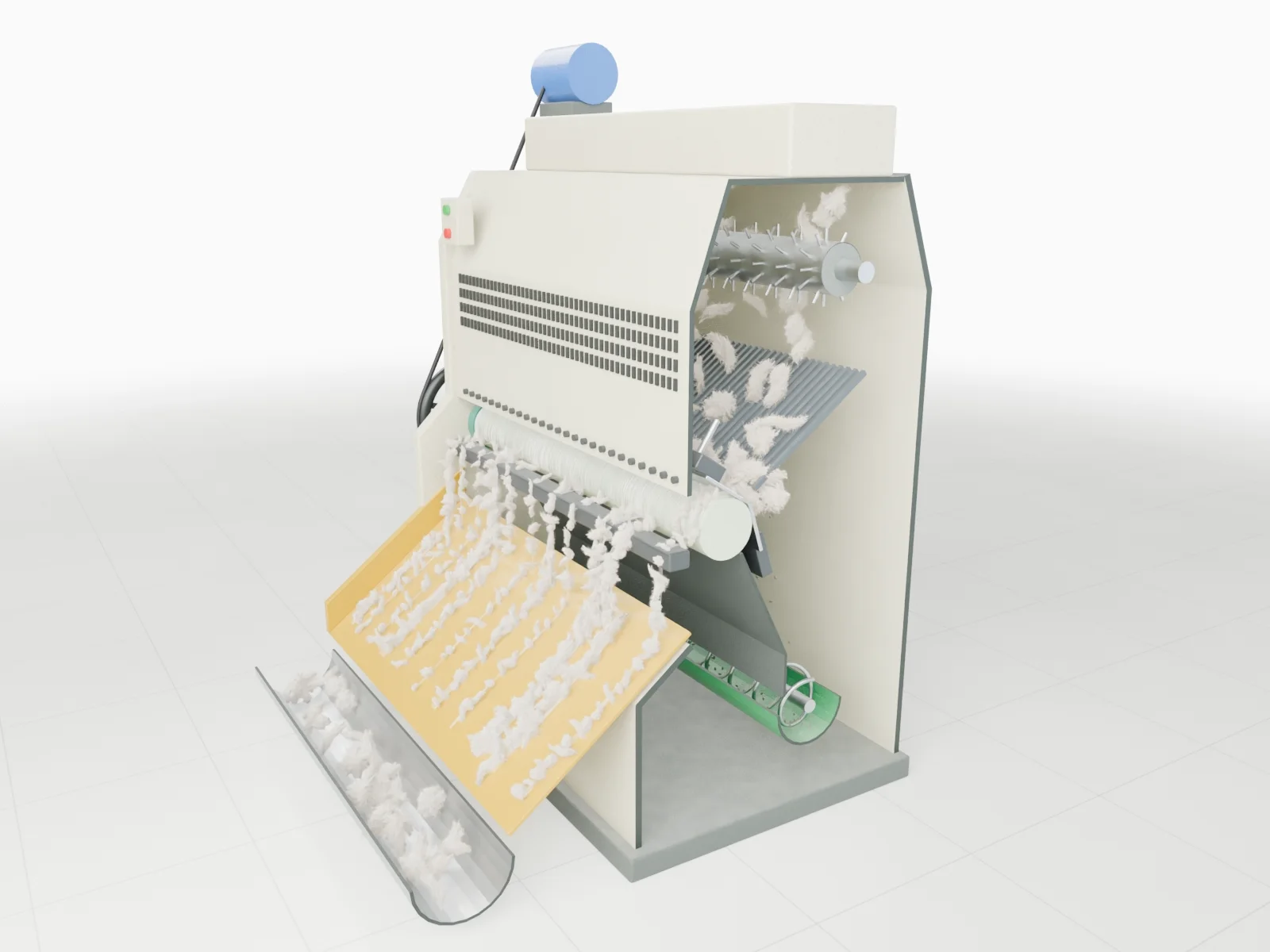
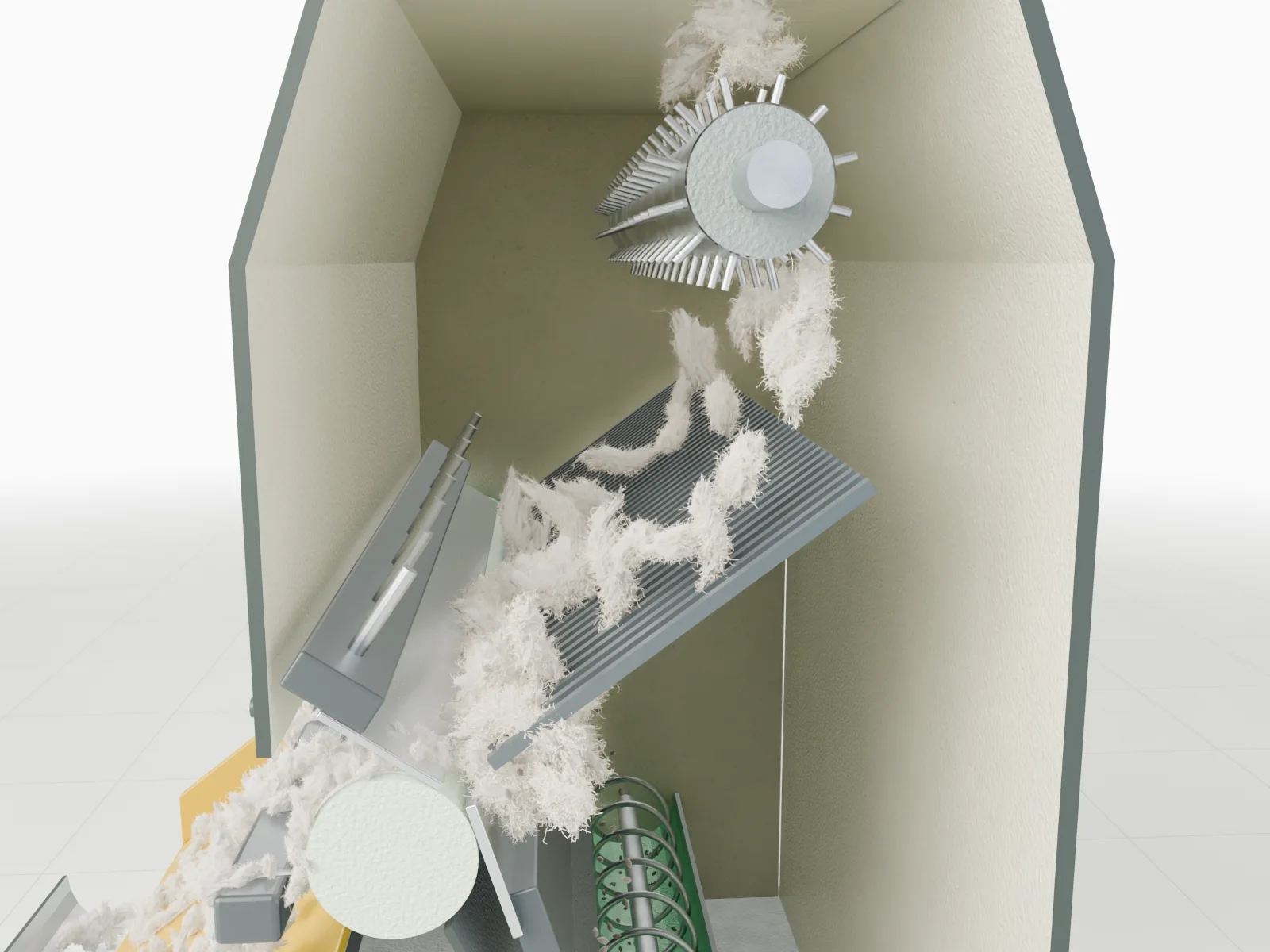
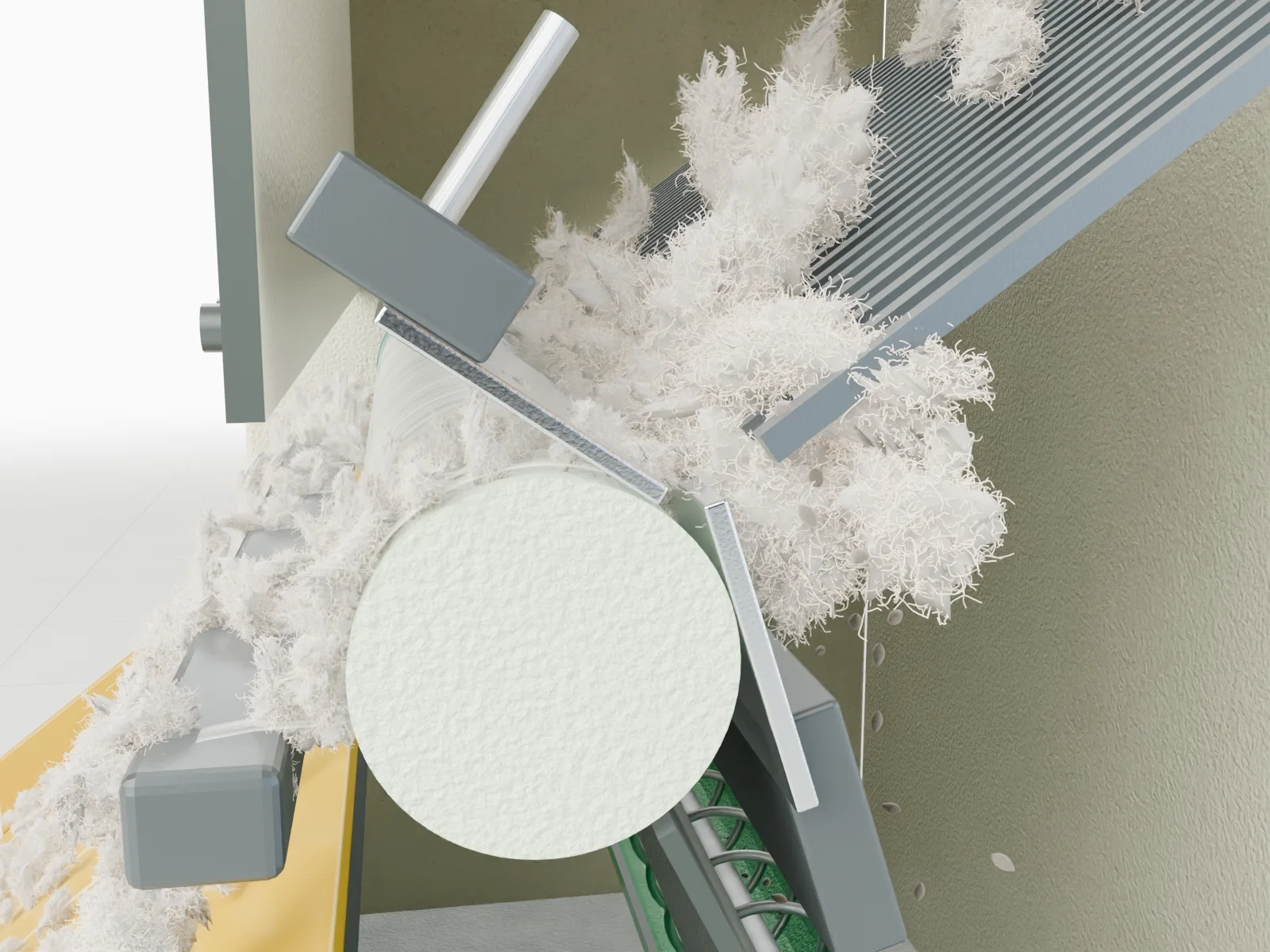
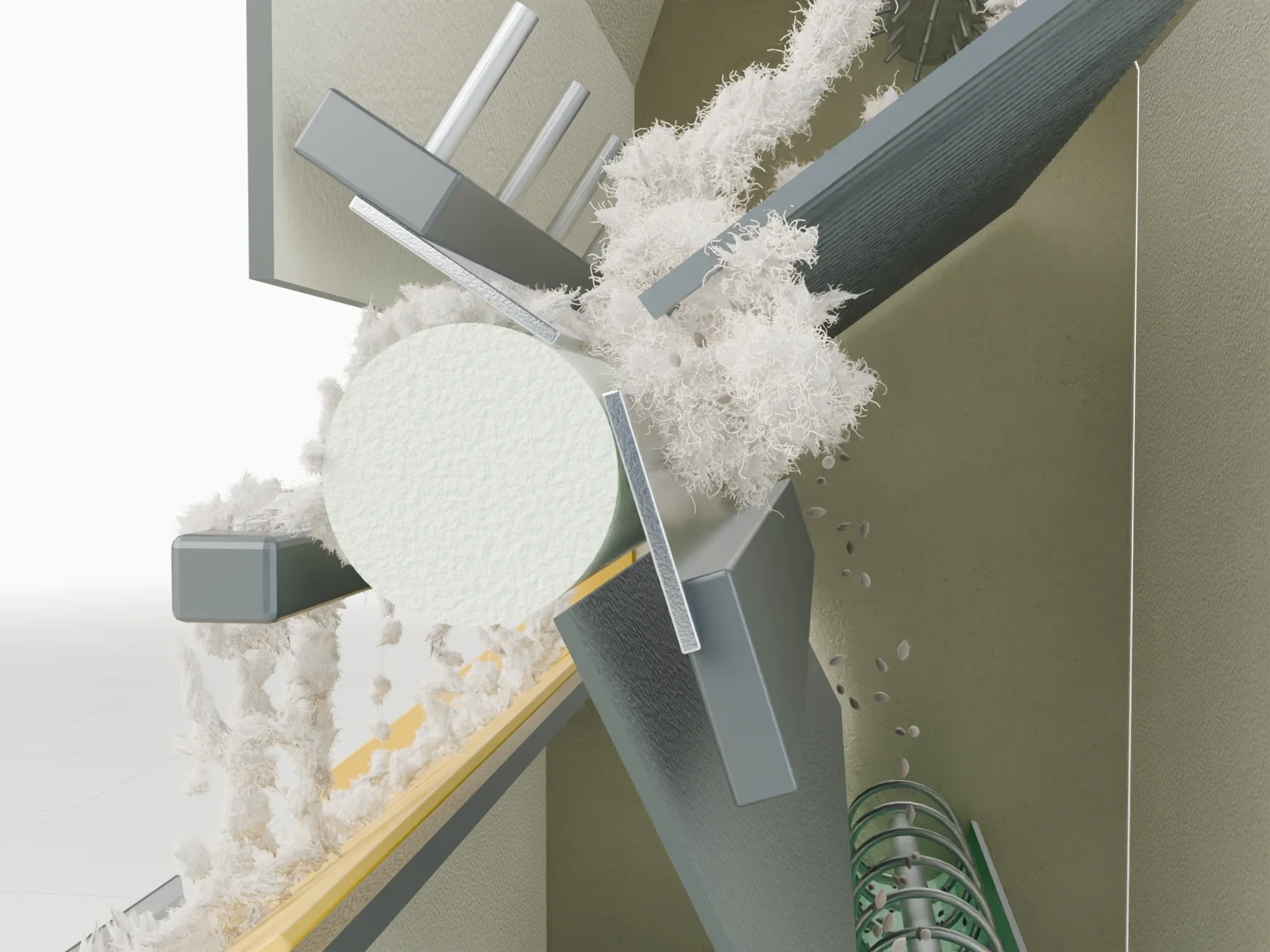
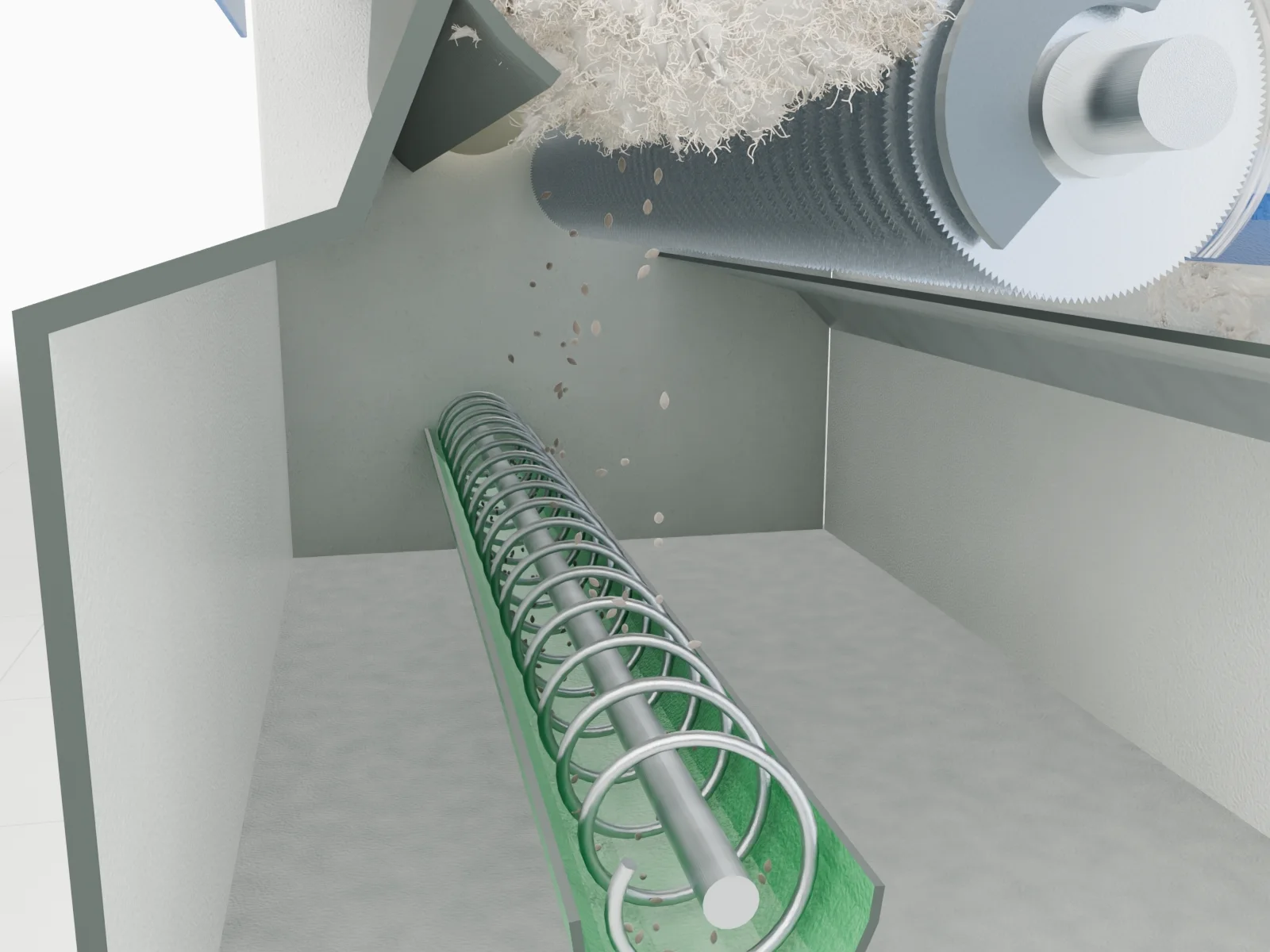
The roller gin
One of our plant’s two ginning divisions works on SUMER roller gins.
Feeding
Seed cotton comes down a feed grid onto the ginning roller.
The fixed knife
The fibre catches on the roller and is drawn under a knife pressed hard against it. The seeds are too big to pass the knife’s edge.
The moving knife
A second knife beats up and down beside the edge and knocks the bare seeds off. The seeds fall through the grid to a screw conveyor.
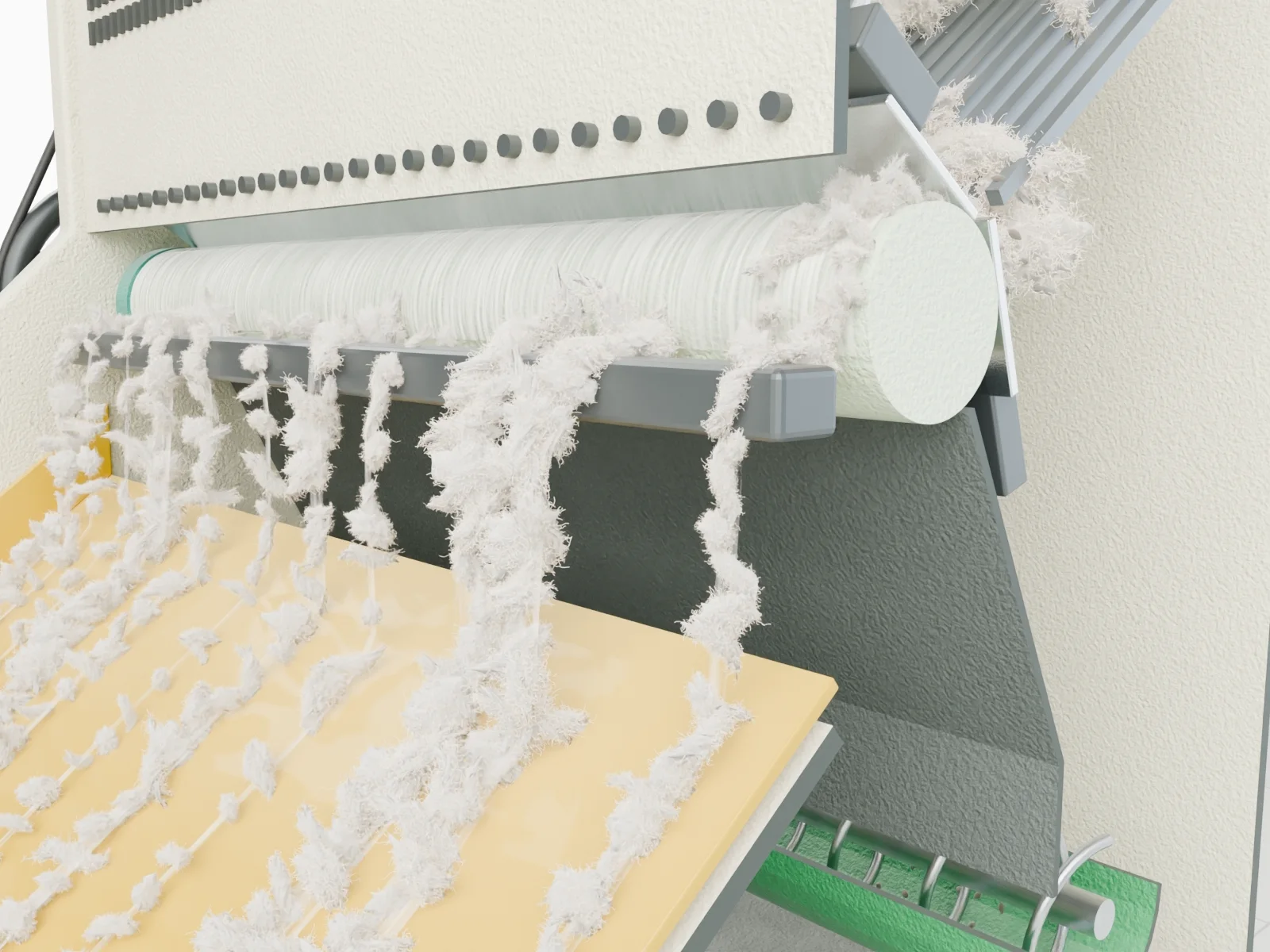
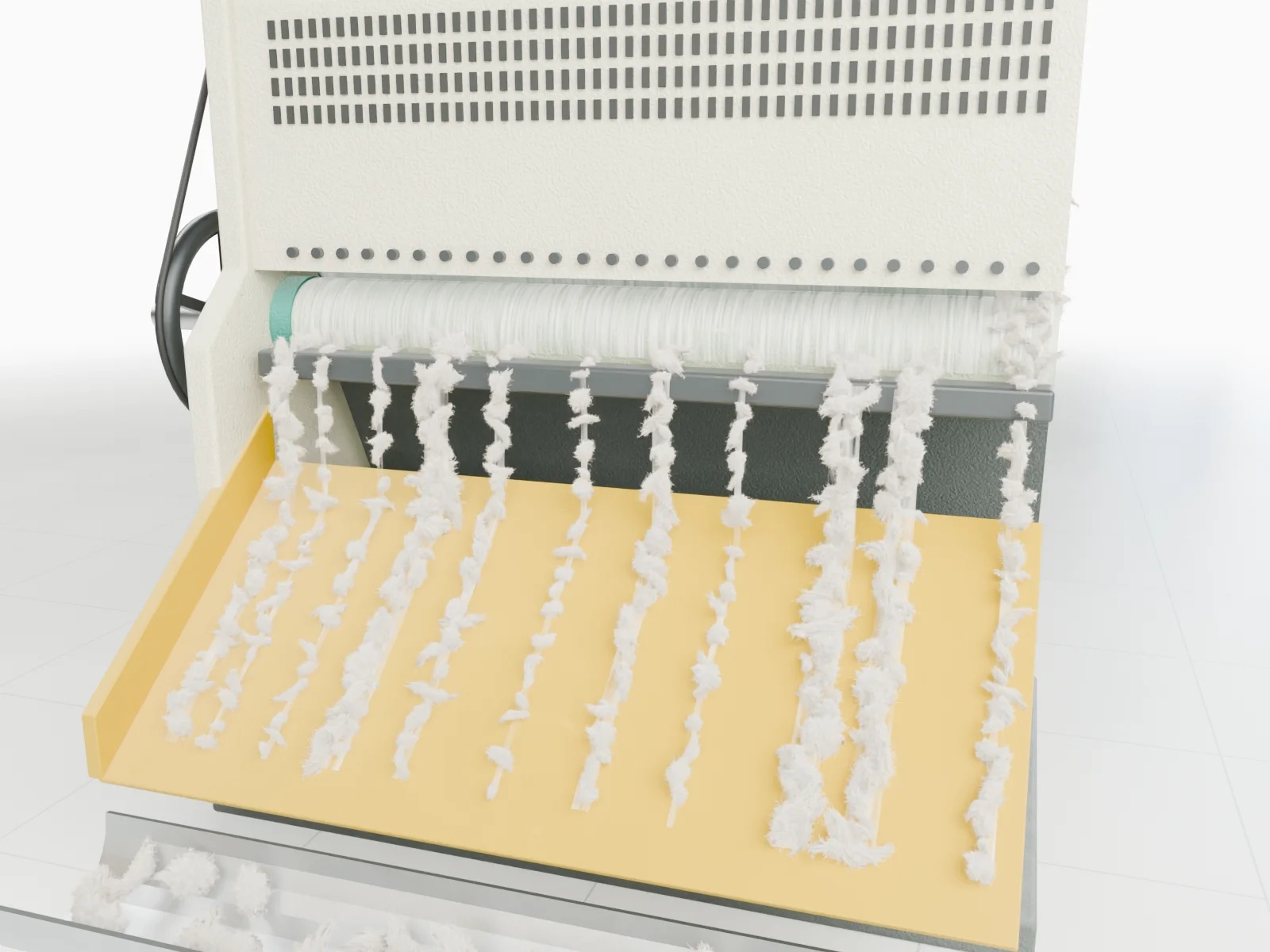
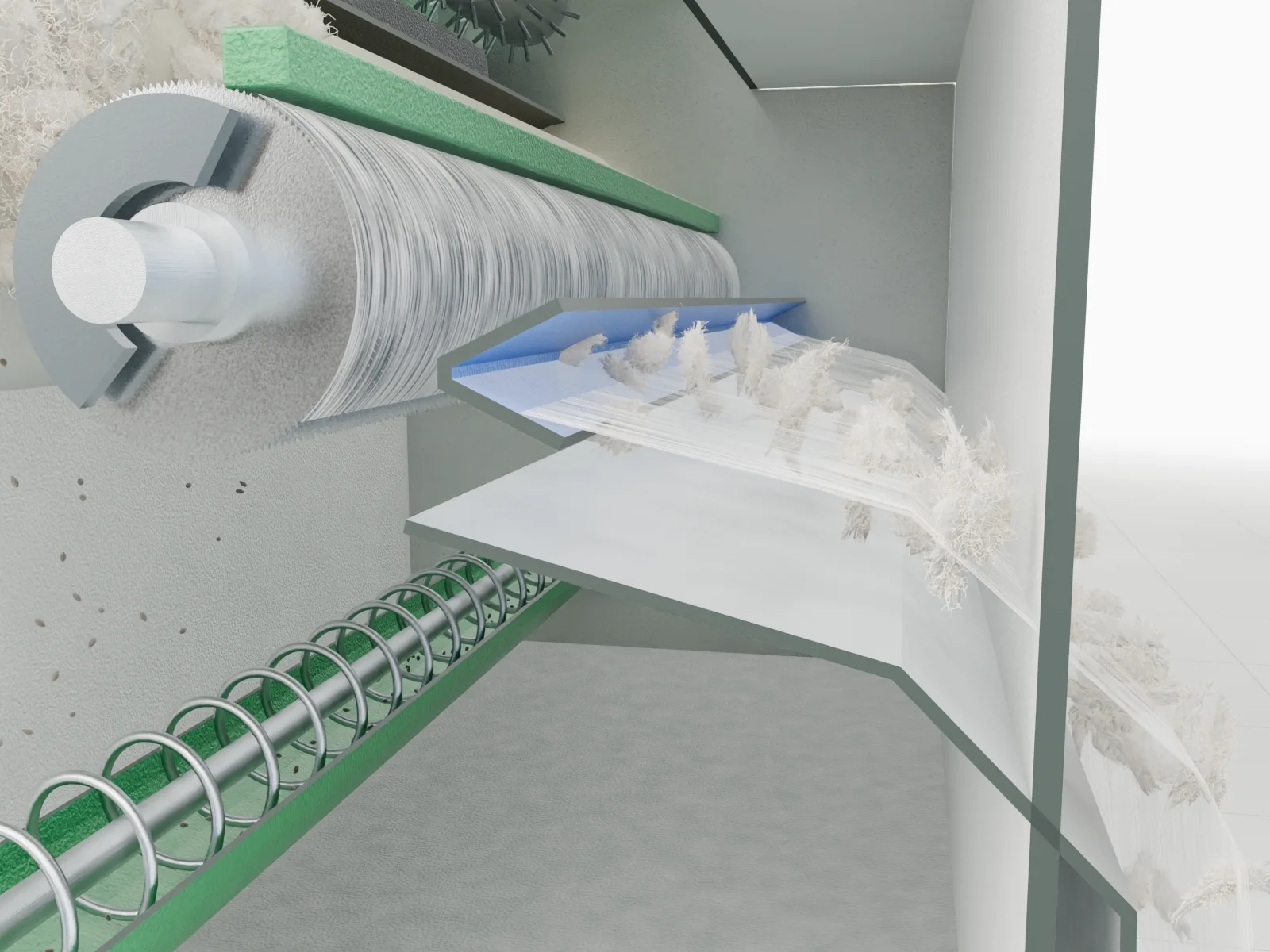
Off the roller
The lint goes round on the roller and leaves it over the doffing bar.
Length kept
The fibre is pulled, not cut, so it keeps its length.
03
 Saw ginningCircular saws pull the fibre through ribs that hold the seeds back.Start here
Stage 3 of 4 · Saw ginning
Circular saws pull the fibre through ribs that hold the seeds back.
3D illustration
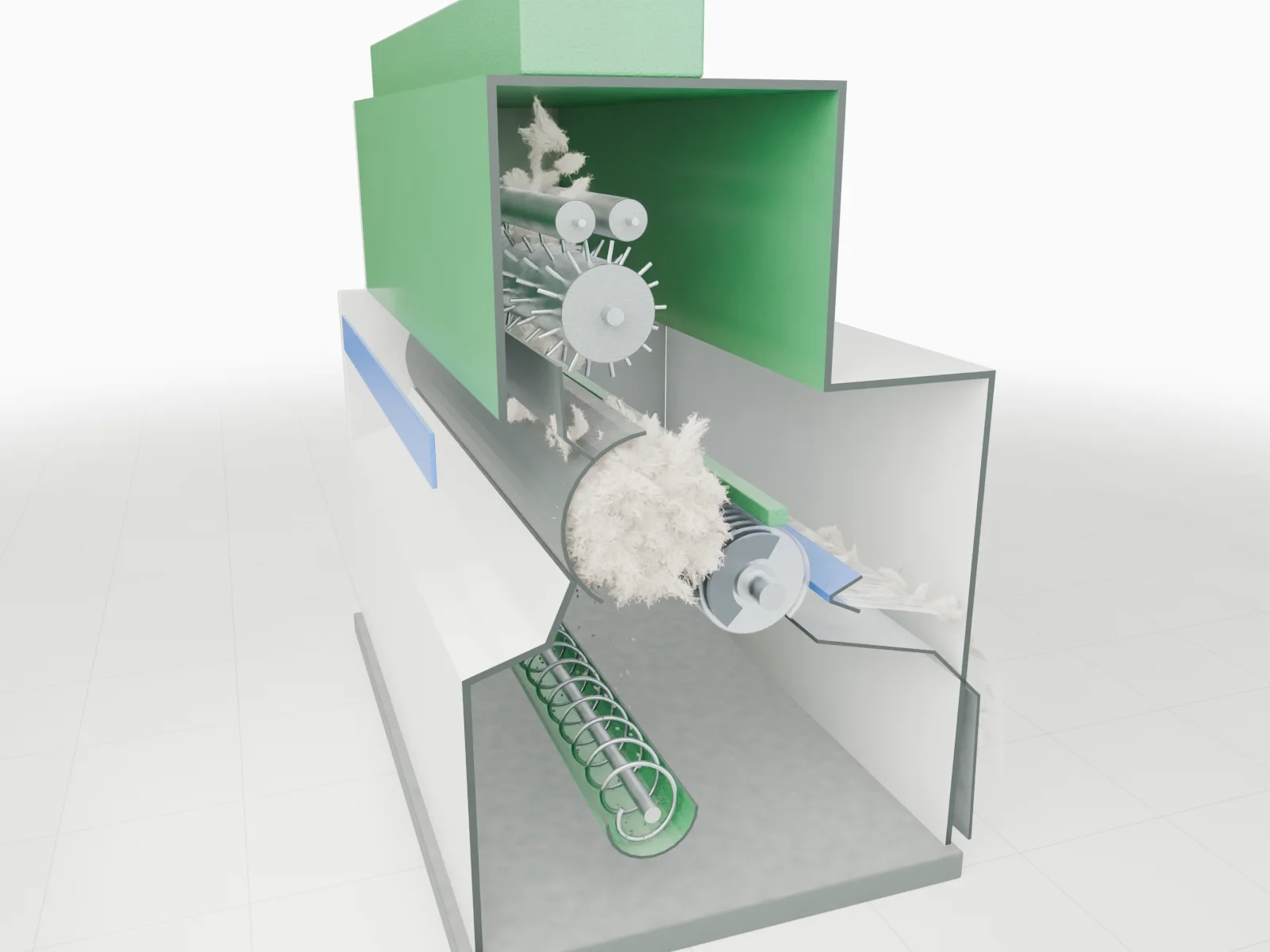
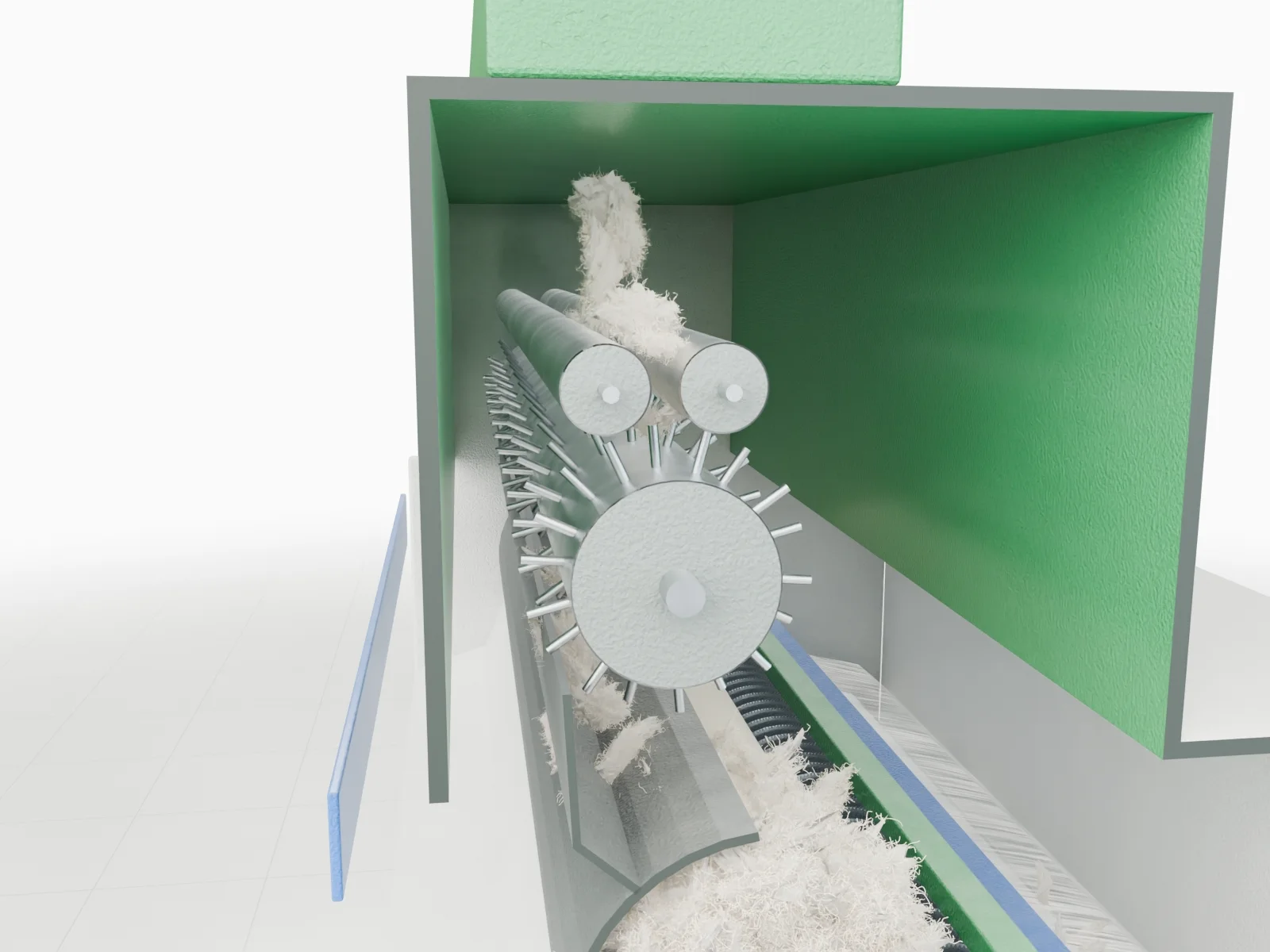
The gin stand
Our plant’s other ginning division works on ДПЗ-180 saw gins.
The feeder
Feed rollers meter the seed cotton; a spiked cylinder opens it into the roll box.
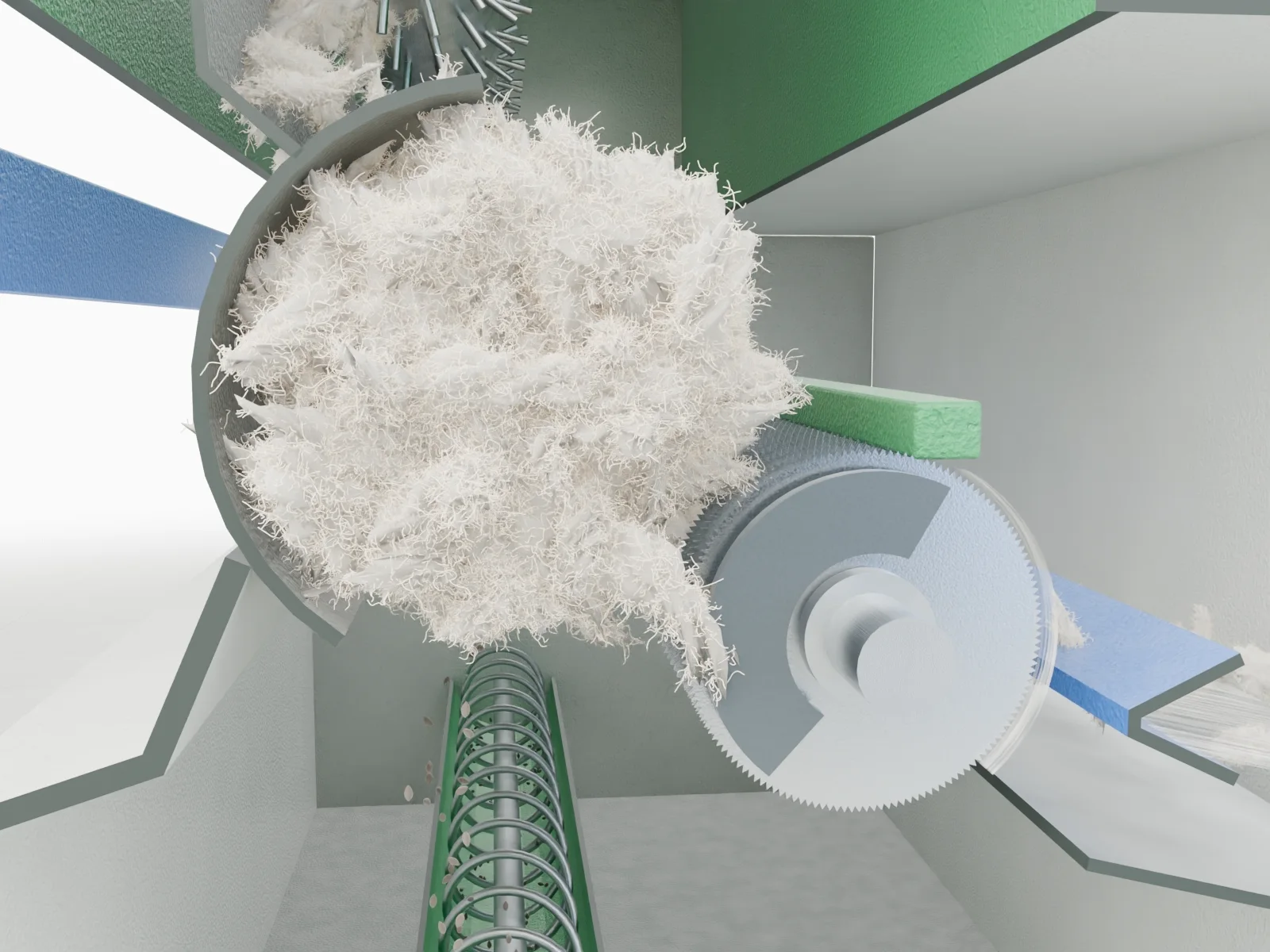
The seed roll
The cotton turns as a roll against a gang of circular saws.
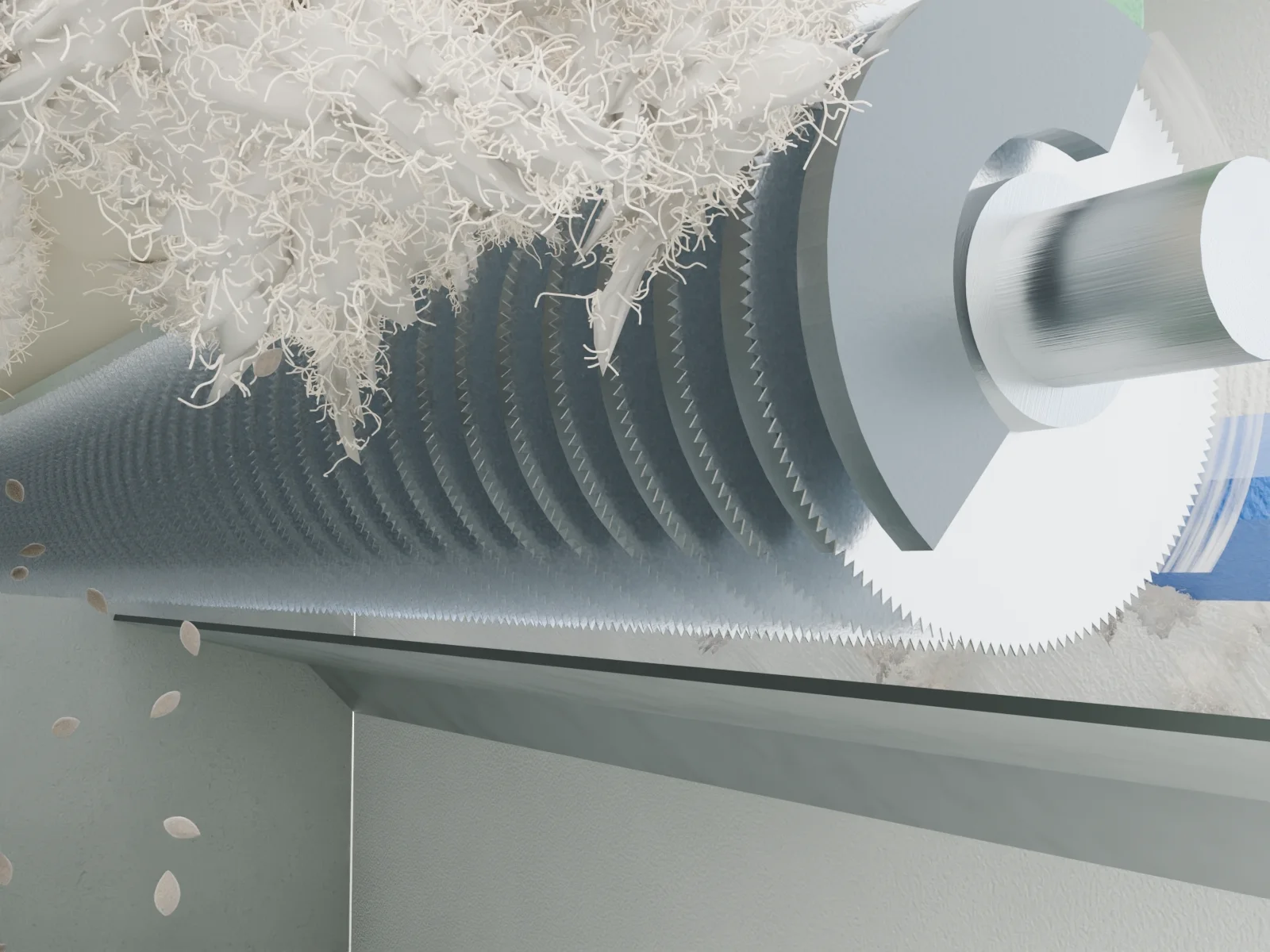
Saws through the ribs
The teeth catch the fibre and pull it between the ribs; the seeds are too big to follow.
The seeds
The bare seeds drop out under the roll onto a screw conveyor.
The lint
An air blast strips the lint off the saws into the lint flue.
04
 PressingThe clean lint is pressed into dense bales, tied and wrapped.Start here
Stage 4 of 4 · Pressing
The clean lint is pressed into dense bales, tied and wrapped.
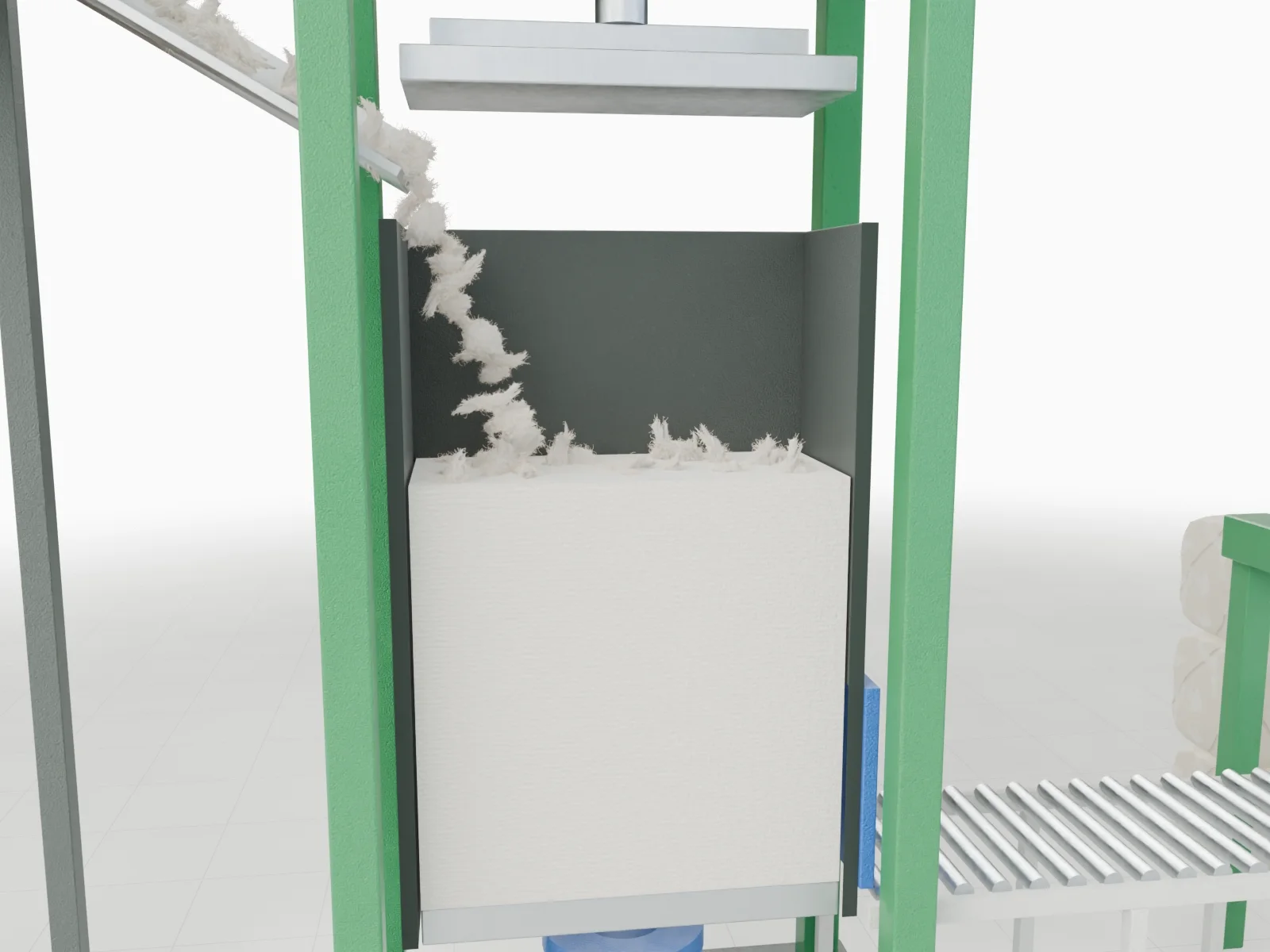
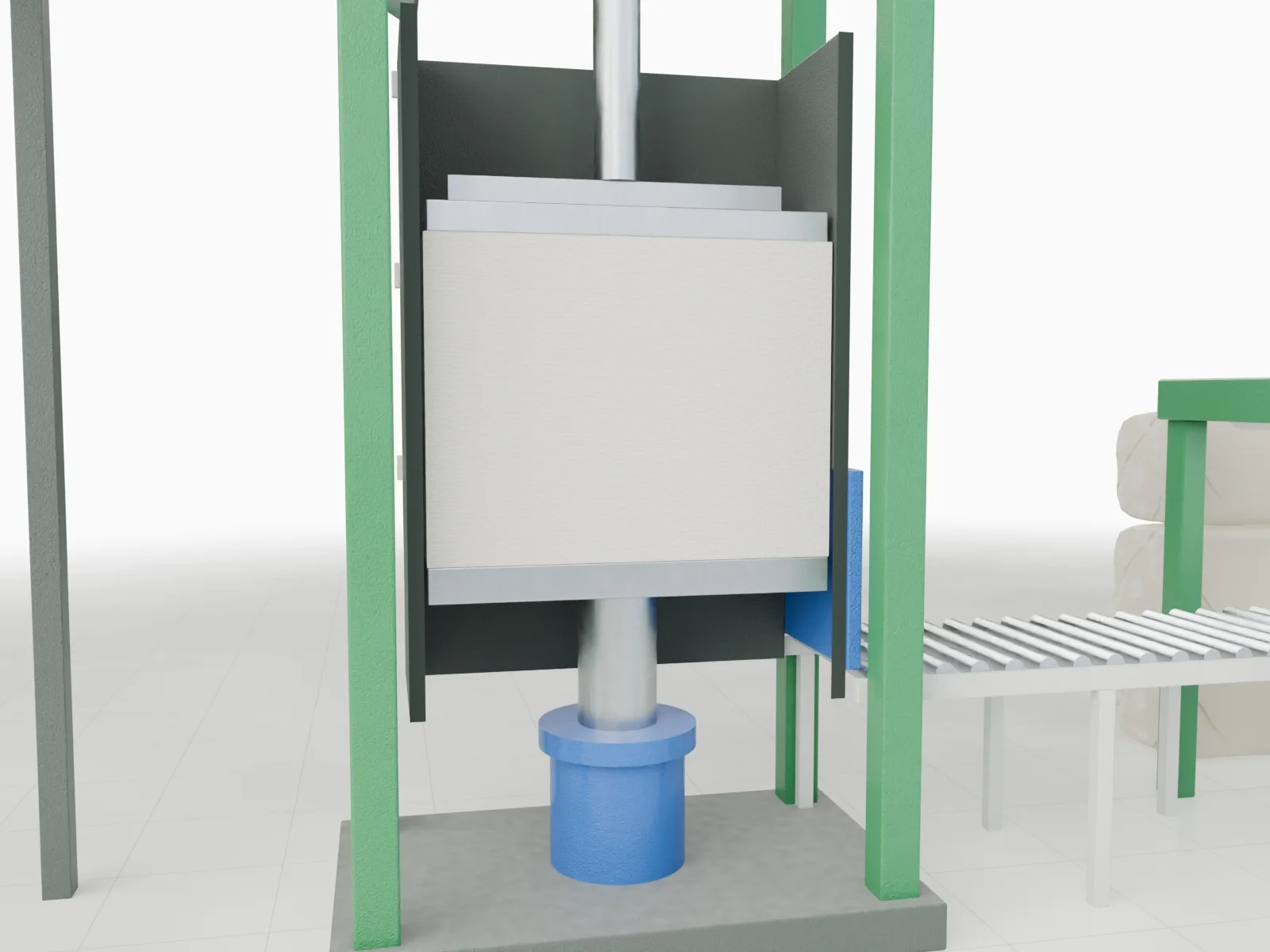
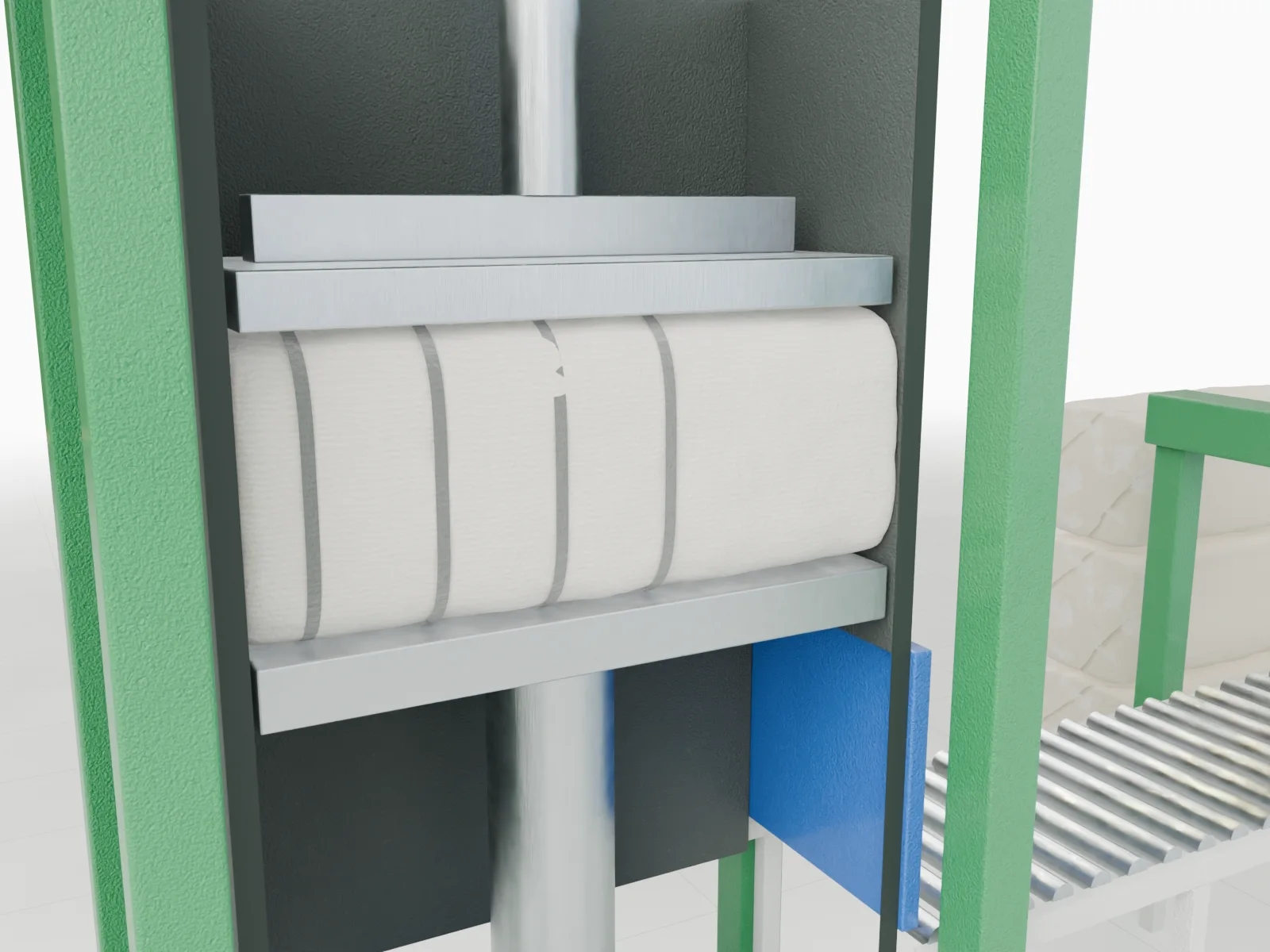
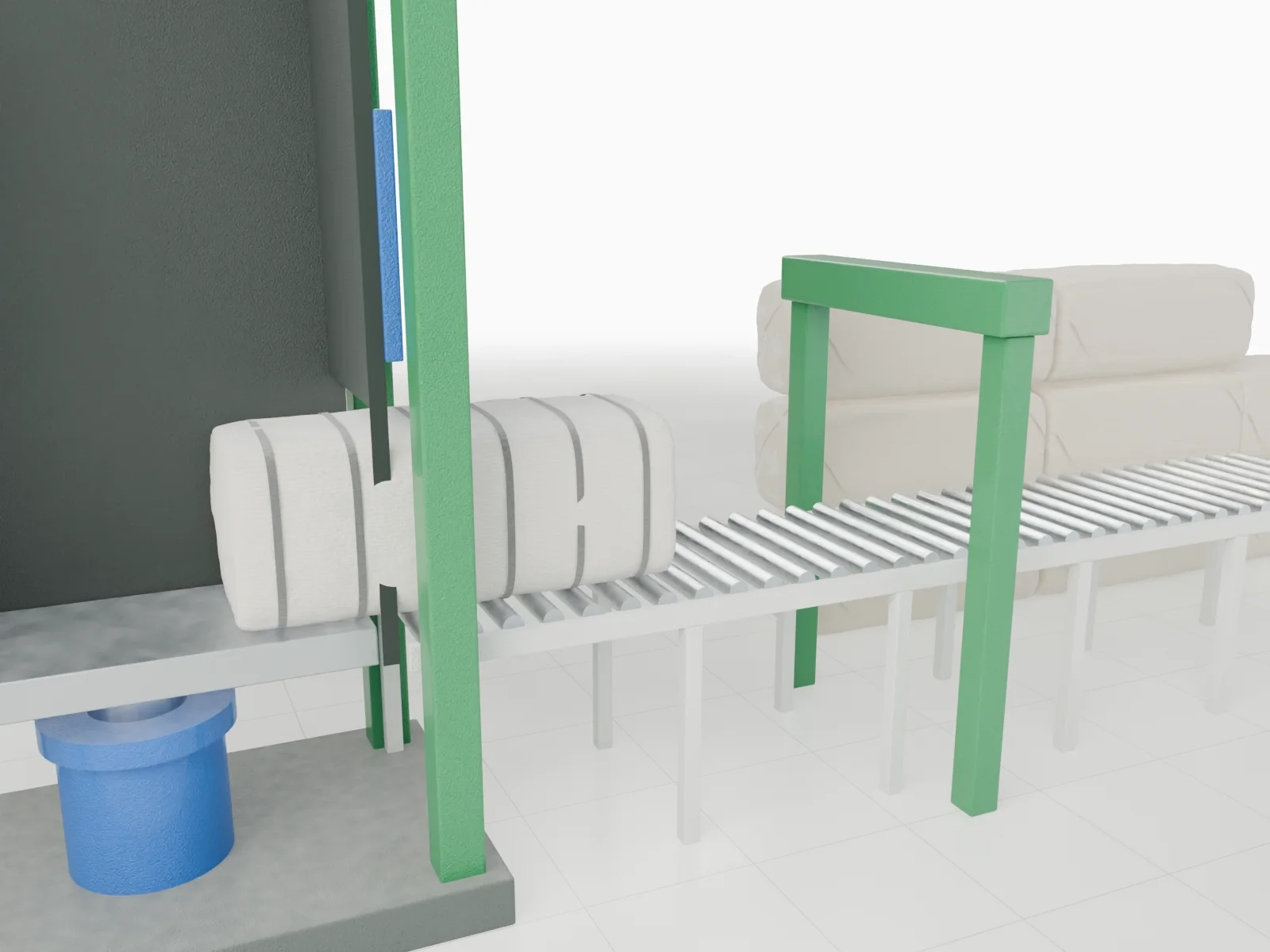
3D illustration
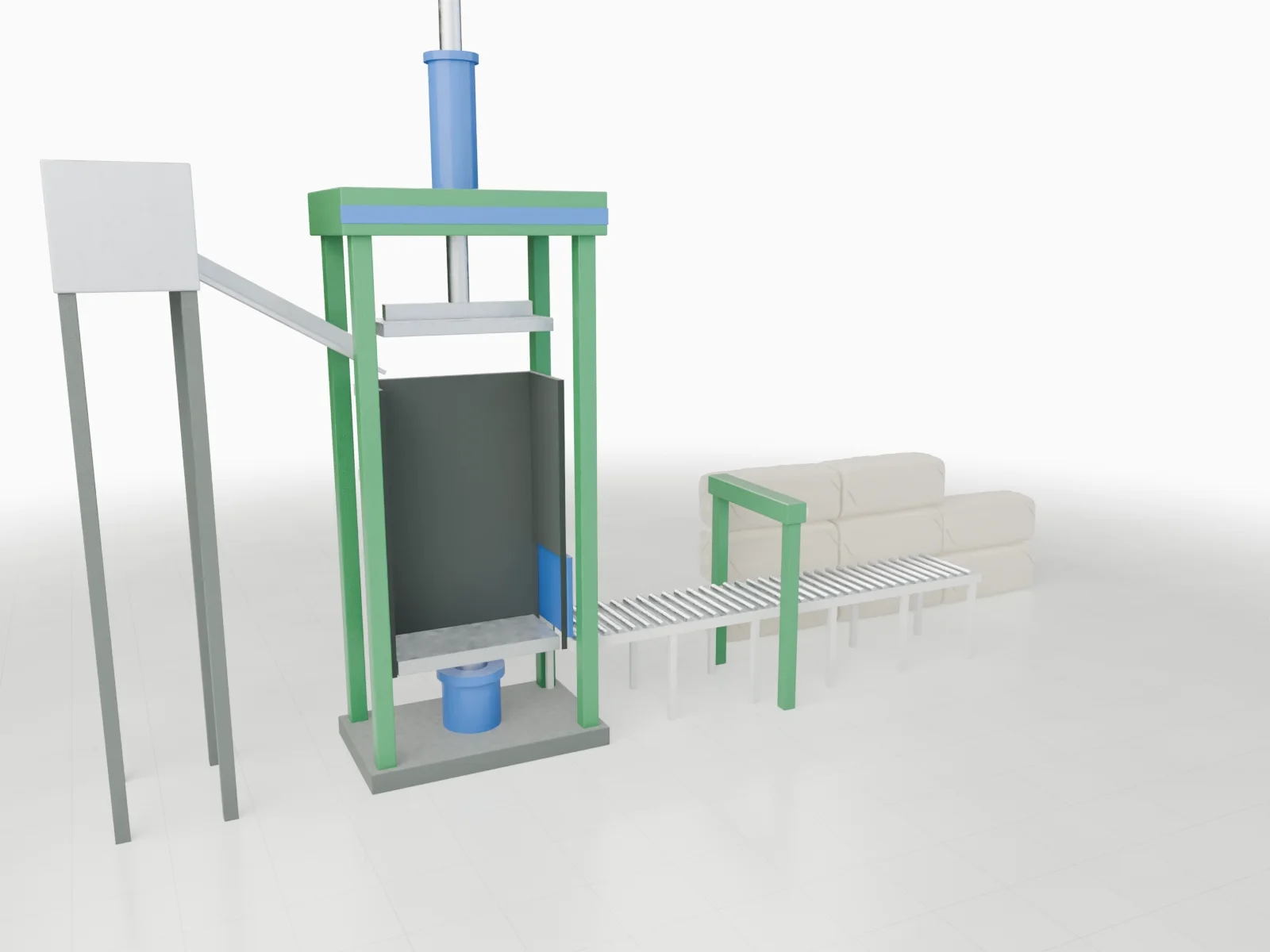
The press
The ginned lint is pressed into bales for storage and transport.
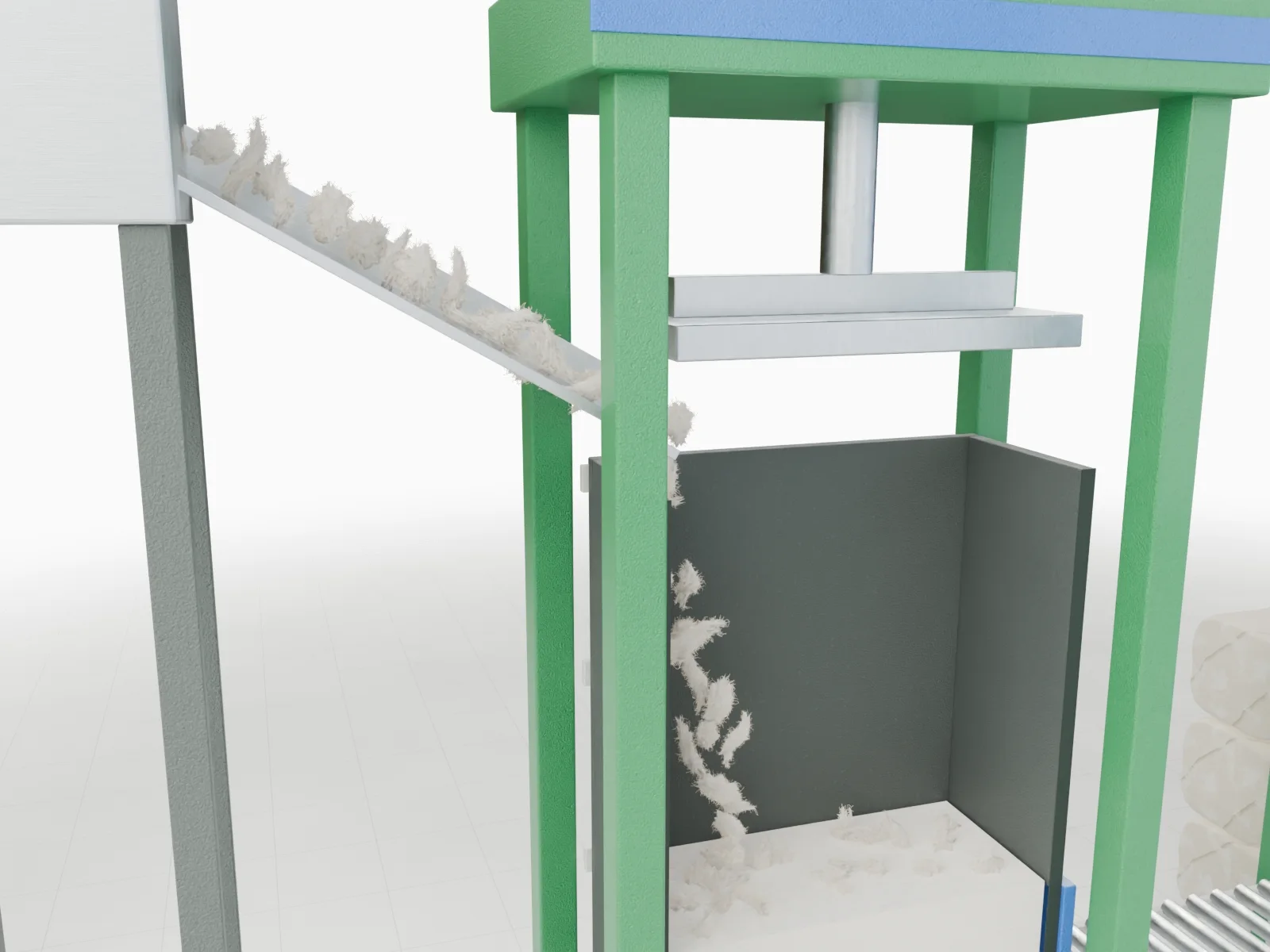
Into the box
The lint comes down the lint slide into the press box.
Tramping
A tramper packs it down, stroke after stroke, until the box holds a bale’s worth.
Pressing
The main ram pushes up and presses the lint into a dense bale.
Ties
Ties go round the bale while it is held pressed.
Out of the press
The box opens and the bale comes out onto the line.
Wrapped
Each bale is wrapped and stacked; a sample from it goes to the laboratory.
Terms 8
- Gin turnout
- Lint's share of seed-cotton weight; typically a third to about 40%.
- Nep
- Small knot of tangled fibres; immature-fibre neps can appear as white specks when dyed.
- Seed-coat fragment
- Piece of seed skin, often with fibres attached, carried into the lint.
- HVI
- High Volume Instrument: measures length, strength, micronaire, colour and trash in bale samples.
- HVI (High Volume Instrument)
- Laboratory system measuring a cotton sample's length, strength, micronaire, colour and trash in seconds.
- Micronaire
- Airflow measure combining fibre fineness and maturity; closely linked to how evenly cotton dyes.
- Laydown
- The set of bales opened and blended together to feed one spinning mix.
- Barré
- Faint repeating stripes in dyed fabric, often caused by uneven fibre properties.
Good practice
What protects the fibre at the gin.
The figures research gives for gentle ginning and fair testing, each with its source.
Moisture at the gin stand
6–7%
Lint is ginned at 6–7% moisture and never below 5%, so the fibre keeps its length.
Source cotton.orgDryer air
< 177 °C
Seed cotton is dried with air under 177 °C; hotter air harms the fibre.
Source cotton.orgMoisture in the bale
< 7.5%
Bales are pressed below 7.5% moisture, so their colour keeps in storage.
Source cotton.orgSample from every bale
200 g
At least 200 g from both sides of each bale, tagged so the result traces back to it.
Source itmf.orgTest climate
21 °C · 65%
Samples are tested at 21 °C and 65% relative humidity, the same for every bale.
Source itmf.orgRest before testing
12 h
Samples rest at least 12 hours in that climate first, so their moisture settles.
Source itmf.org
Our lint
From the gin to yarn.
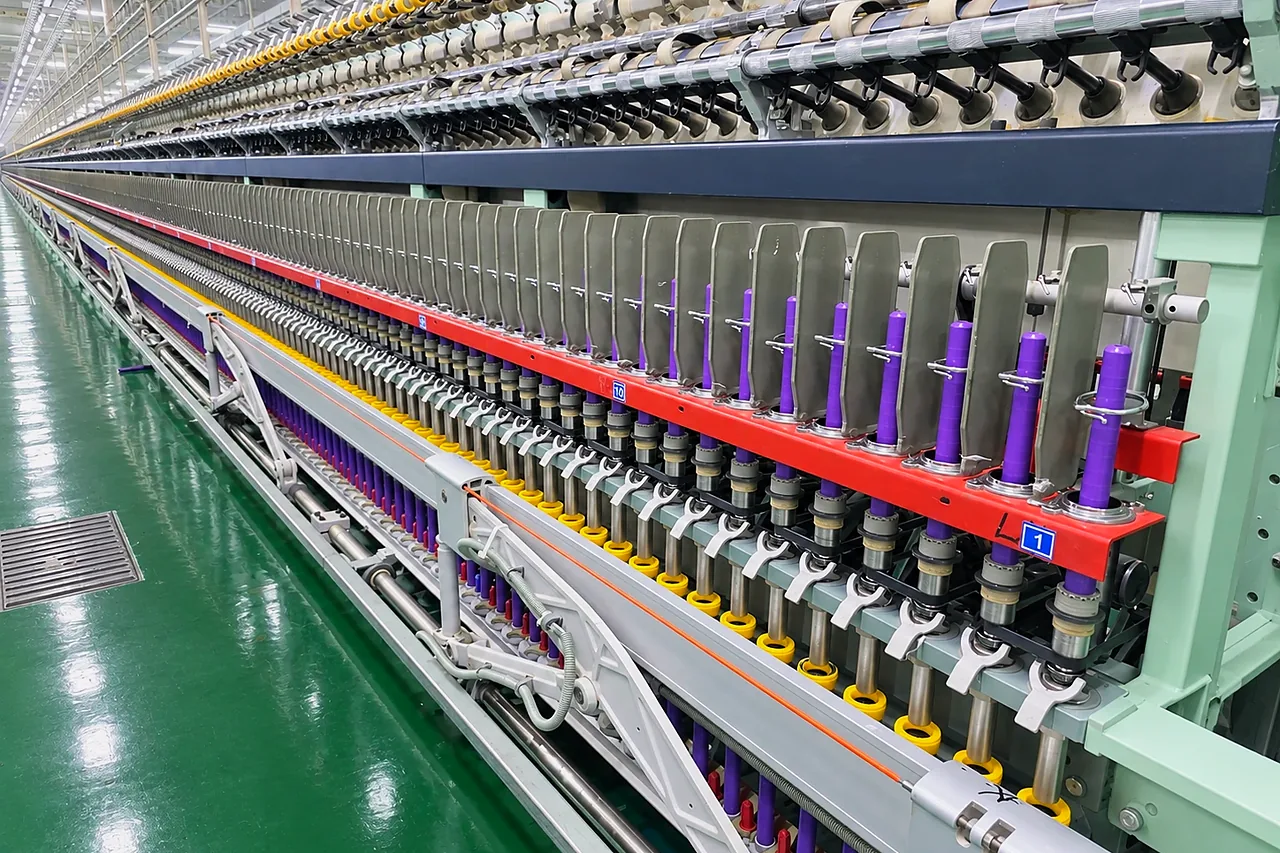
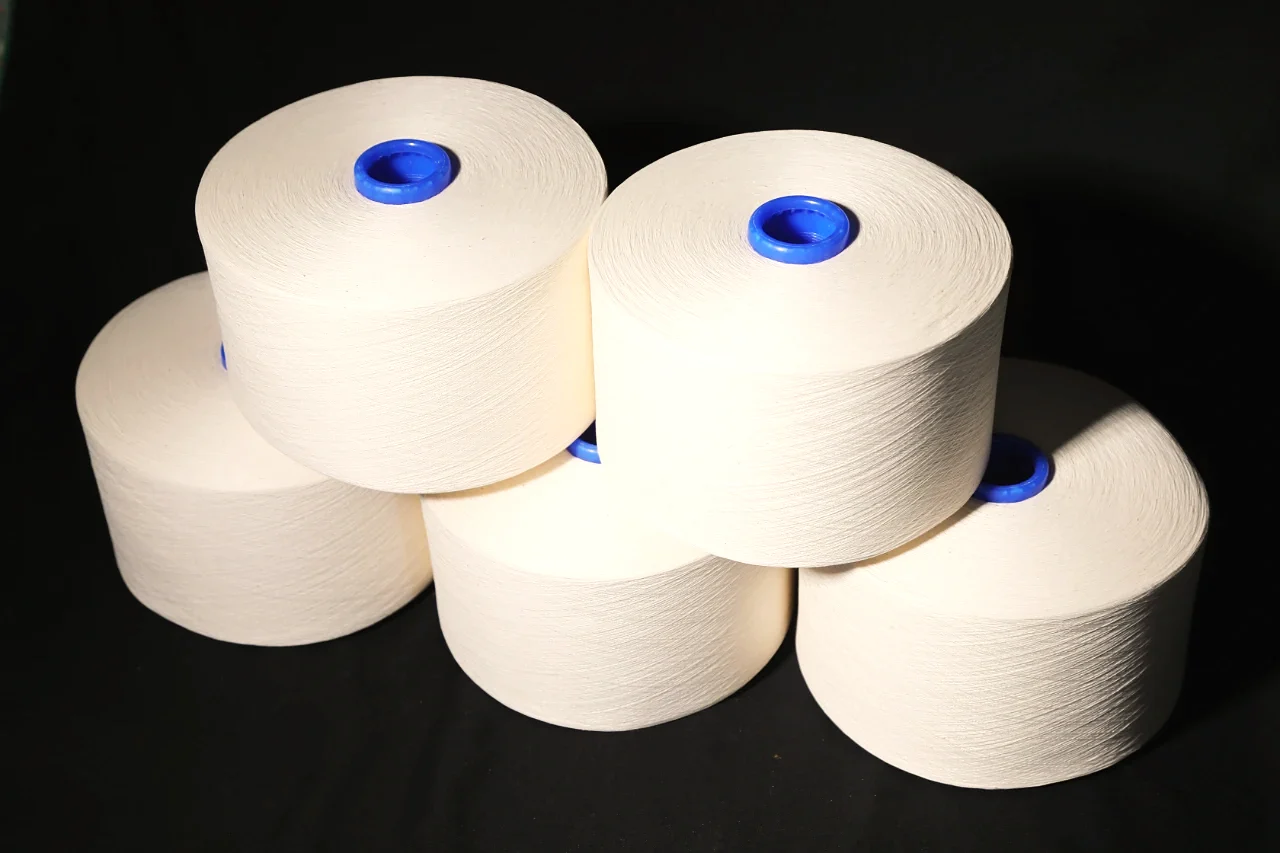
The lint becomes yarn for knitting and weaving: see how we spin it, or browse the yarn we make.
A question, or an order?
The sales contact for this line answers.
Send a request