Spinning and yarn05 · Opening, blending and cleaningPinnedAnswered

Why does the shade drift from one batch to the next?

Answered by BHR · Spinning technologistSpinning mill, Navoiy8 posts · 10 sources

  1. QuestionSpinning and yarn#1

    The question

    Turning many bales into one clean, even blend.

    Step 05 of 12Opening, blending and cleaning
  2. BHR · Spinning technologistSpinning mill, Navoiy#2

    What happens

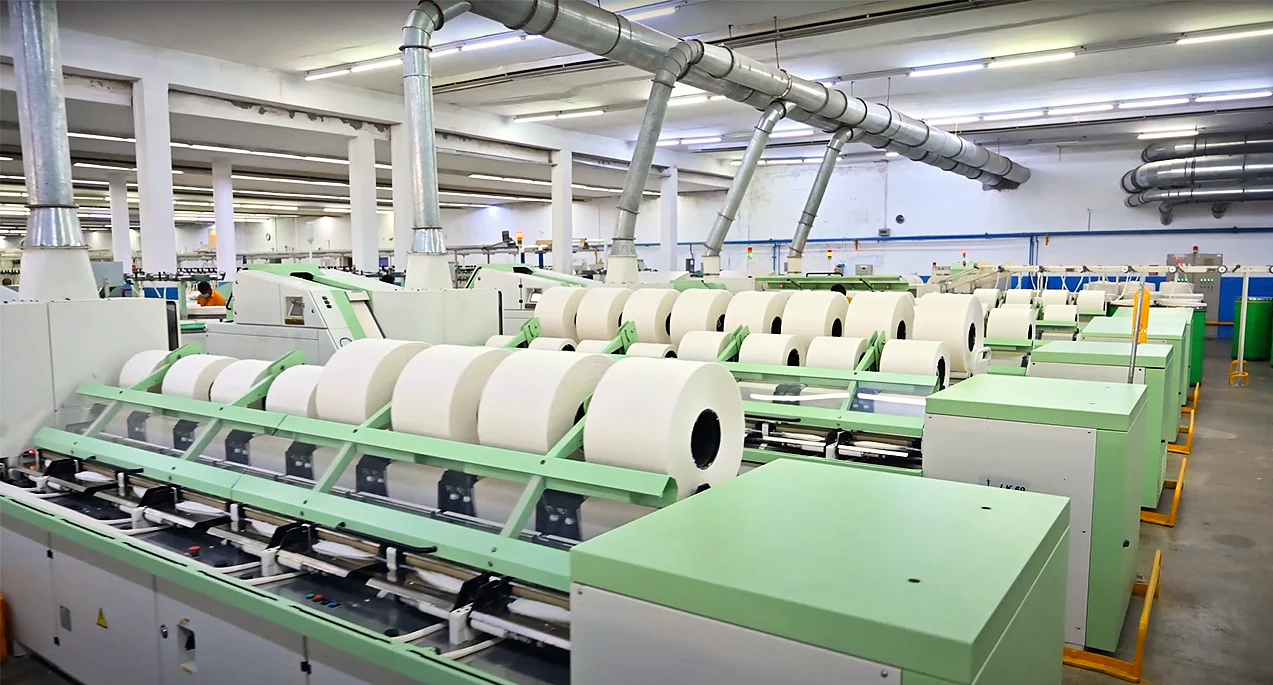
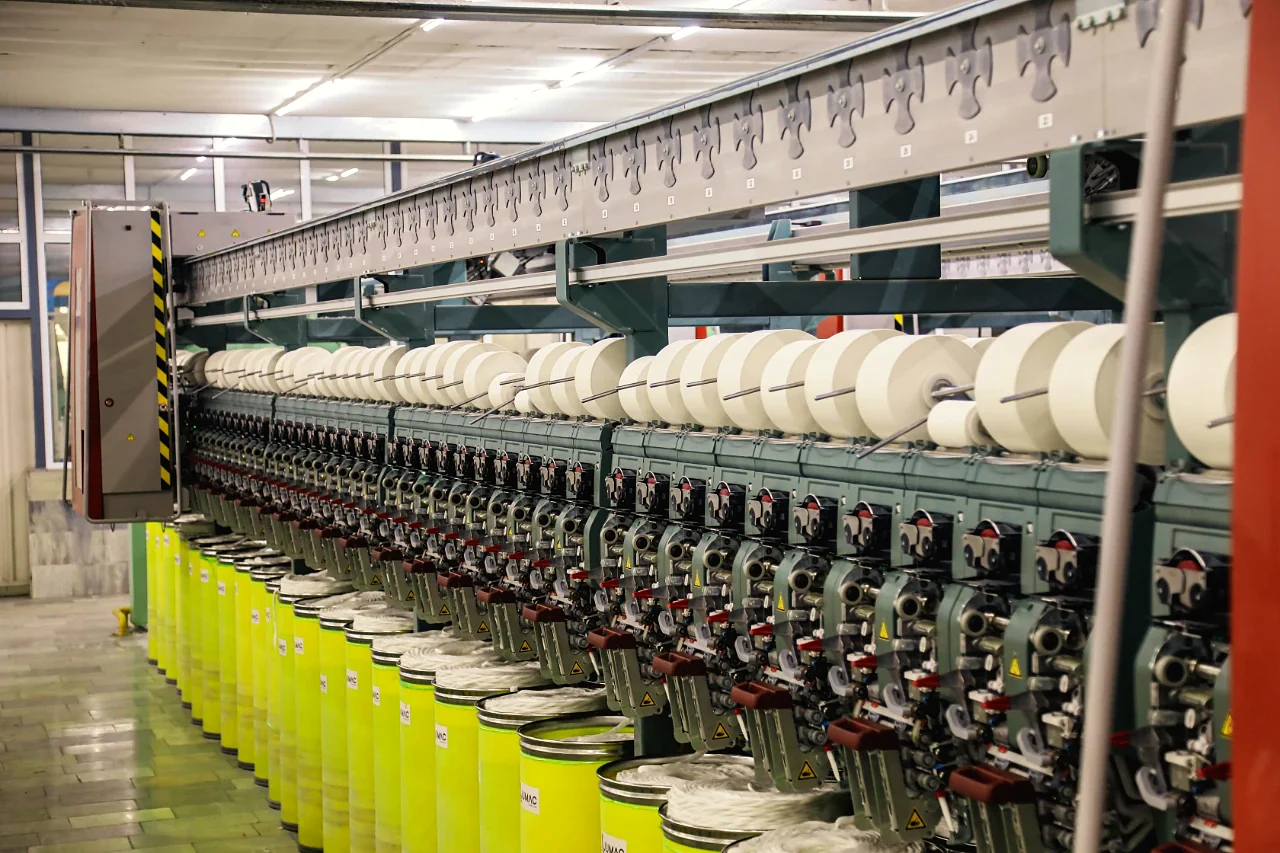
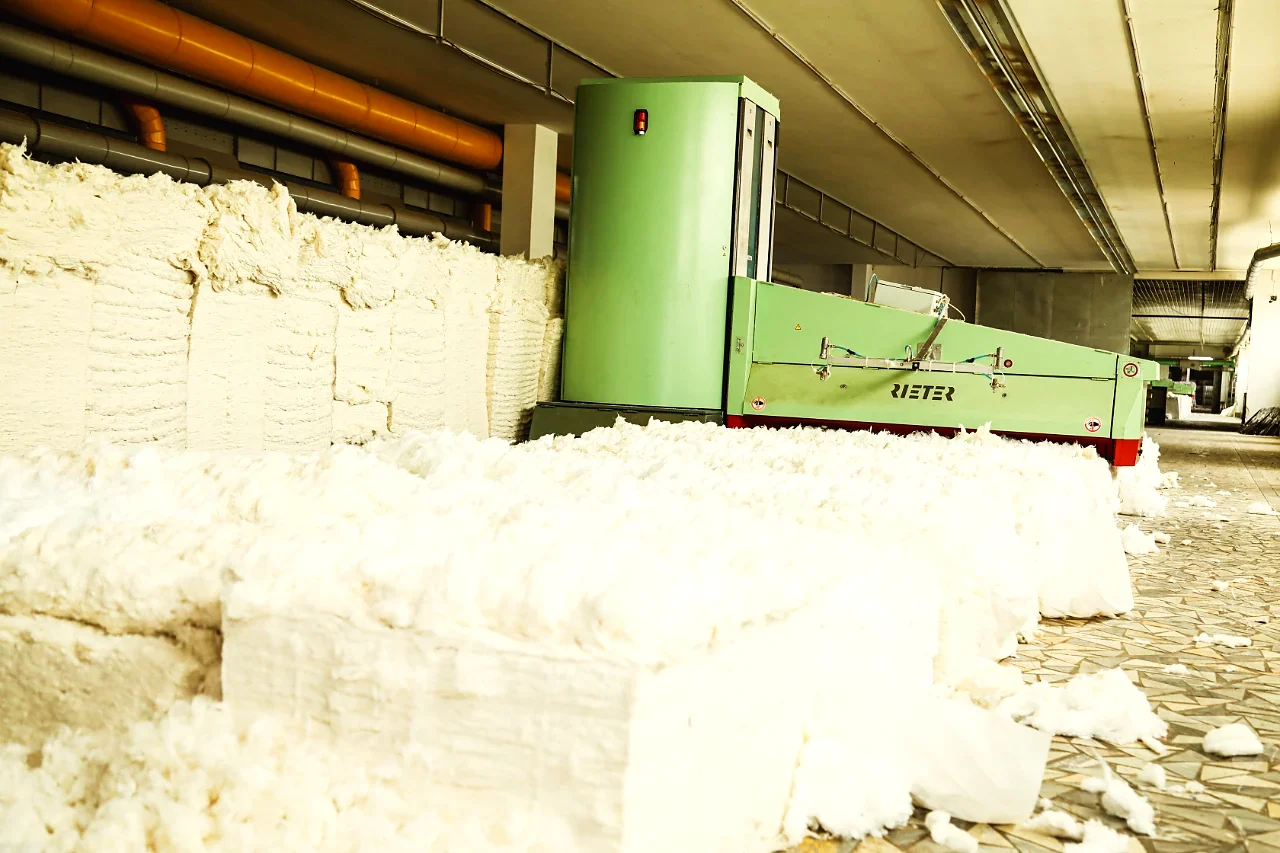
    Cotton arrives at the spinning mill as tightly pressed bales, and no two bales are quite alike. Bales are chosen from their laboratory test data and set out as a planned group called a laydown. An automatic opener travels along the top, taking a thin slice from each bale in turn. A chain of machines loosens the fibre into smaller tufts, removes leaf, seed fragments, dust and stray plastic or metal, and mixes everything into one even blend. For blended yarns, viscose or polyester is weighed in here at a set ratio or added later at the draw frame.

  3. BHR · Spinning technologistSpinning mill, Navoiy#3

    Why it matters

    1. Even colour: if fibre fineness (micronaire) drifts between mixes or varies too much within one, yarn batches dye differently, leaving barré stripes often seen only after dyeing.
    2. Excess force tangles fibres into neps, small knots that become thick places in yarn. One study found neps increased from bale to the end of the opening line.
    3. In a 2022 international survey of 104 spinning mills, about 22% of cottons assessed were moderately or seriously contaminated. Anything the opening line misses ends up in yarn.
    4. For blended yarns, the blend ratio becomes the label's fibre content. EU rules allow a 3% tolerance against laboratory analysis, so a drifting blend can make labels wrong.
  4. BHR · Spinning technologistSpinning mill, Navoiy#4

    Best practice

    • Plan each laydown from individual bale test results, not by eye, and change average micronaire only gradually. Uster's guidance limits bale-to-bale micronaire variation within a mix to about 12%.cotton.org (opens in a new tab)
    • Open and clean in stages, gentle first, cleaning only as far as the cotton's dirt level requires. This spares fibres needless stress and shortening. Polyester and viscose need opening, not cleaning.rieter.com (opens in a new tab)
    • Detect foreign matter with several sensors, not one colour camera: colour, UV, transparent-film and gloss modules. Trützschler says its separator can detect white plastic (polypropylene) strips, which resemble cotton.truetzschler.com (opens in a new tab)
    • Remove metal and heavy objects before fast beaters with magnets, gravity traps and spark detectors; magnets alone miss stones. Insurer AXA XL says at least one in three cotton-mill fires starts here.axaxl.com (opens in a new tab)
    • For blends, weigh each fibre in (gravimetric blending) rather than metering by volume. Trützschler states under 1% blend-ratio deviation for its tuft blender; Rieter guarantees under 1% for its precision blender.truetzschler.com (opens in a new tab)
  5. BHR · Spinning technologistSpinning mill, Navoiy#5

    At BHR

    • 26 000m² spinning mill in Navoiy
    • TrützschlerOpening and fibre-preparation equipment, Germany
    • RieterOpening and fibre-preparation equipment, Switzerland
    • 5Fibre compositions: 100% cotton, cotton/viscose, cotton/linen, polyester/viscose, cotton/polyester
  6. BHR · Spinning technologistSpinning mill, Navoiy#6

    Did you know?

    In a Cotton Incorporated trial, a micronaire (fineness) difference of only 0.3 between yarns knitted together caused barré stripes after dyeing. This is why mixes are planned from test data.

    cotton.org (opens in a new tab)
  7. BHR · Spinning technologistSpinning mill, Navoiy#7

    The terms

    Laydown
    A planned group of bales, chosen by test data, opened together as one mix.
    Neps
    Small tangled knots of fibre that show as specks or thick spots in fabric.
    Barré
    Repeating stripes along the yarn direction in fabric, often revealed after dyeing.
    Micronaire
    A standard laboratory reading of how fine cotton fibres are.
  8. BHR · Spinning technologistSpinning mill, Navoiy#8

    Sources

    1. Cotton Incorporated – Barré: causes and prevention (TRI-1002) (opens in a new tab)cottoninc.com
    2. Ozcelik, Kirtay, Derici – Nep formation in the blowroom, Beltwide Cotton Conferences 2005 (opens in a new tab)cotton.org
    3. ITMF Cotton Contamination Survey 2022 (Textile World) (opens in a new tab)itmf.org
    4. EU Regulation 1007/2011 on textile fibre names and labelling (opens in a new tab)eur-lex.europa.eu
    5. Zellweger Uster – Bale laydown management, Beltwide Cotton Conferences 1997 (opens in a new tab)cotton.org
    6. Rieter – VARIOline blowroom brochure (opens in a new tab)rieter.com
    7. Trützschler – Foreign part separator T-SCAN (opens in a new tab)truetzschler.com
    8. AXA XL – PRC.17.2.1.1 Cotton processing (fire protection guideline) (opens in a new tab)axaxl.com
    9. Trützschler – Tuft blender (opens in a new tab)truetzschler.com
    10. Cotton Incorporated – Micronaire performance comparison, Beltwide Cotton Conferences 2004 (opens in a new tab)cotton.org

Spinning and yarn

More in this board

All 3 threads in this board

From cotton picking to finished garment in 12 steps

  1. 01Growing cotton
  2. 02Cotton picking
  3. 03Ginning
  4. 04Fibre testing and classing
  5. 05Opening, blending and cleaning
  6. 06Carding and drawing
  7. 07Spinning and winding
  8. 08Knitting and weaving
  9. 09Dyeing and finishing
  10. 10Pattern making and cutting
  11. 11Sewing and printing
  12. 12Inspection, packing and delivery

Still have a question on this?

Did not find the answer here? Send us your question.

Send a question