The question
Separating fibre from seed without shortening it.
Step 03 of 12Ginning
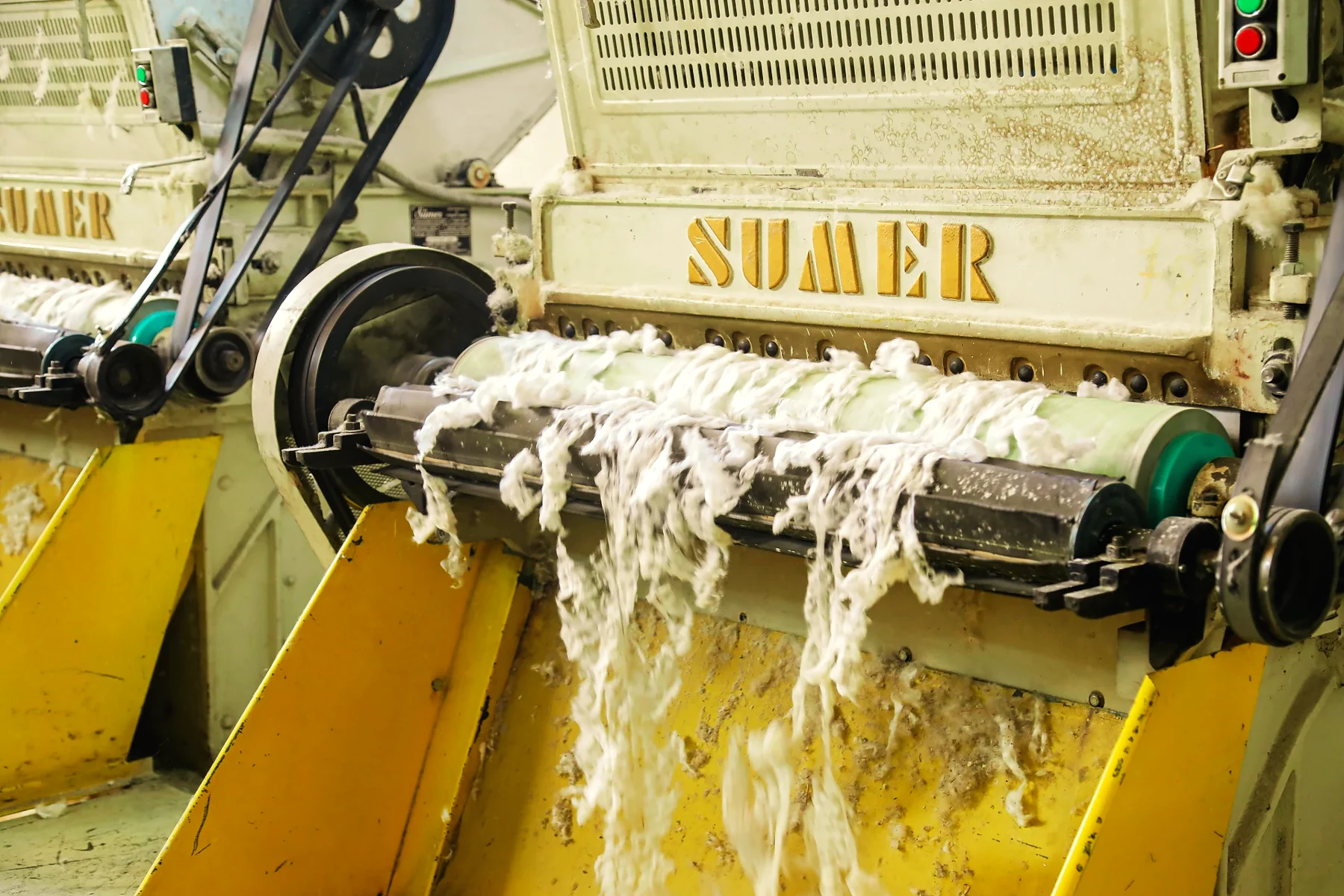
Separating fibre from seed without shortening it.
Step 03 of 12Ginning
Ginning separates cotton fibre (lint) from the seed. Seed cotton is first brought to the right moisture – dried if damp, sometimes moistened if too dry – then cleaned of husks, sticks, leaf and dust. In a saw gin, rotating saws with fine teeth pull the fibres through narrow gaps between ribs that stop the seeds. Lint cleaners remove small trash and seed-coat fragments, and the lint is pressed into dense bales. Typically a third to about 40% of the seed cotton's weight becomes lint. The seed is crushed for oil and meal, fed to livestock or kept for planting.
By weight, a cotton plant yields more seed than fibre: about 162 kg of cottonseed per 100 kg of lint. In the US, only about 5% is kept for planting.
cotton.org (opens in a new tab)Cotton and fibres
Fibre quality is decided in the field.
Answered by BHR · Agronomist · Agro service, Jondor
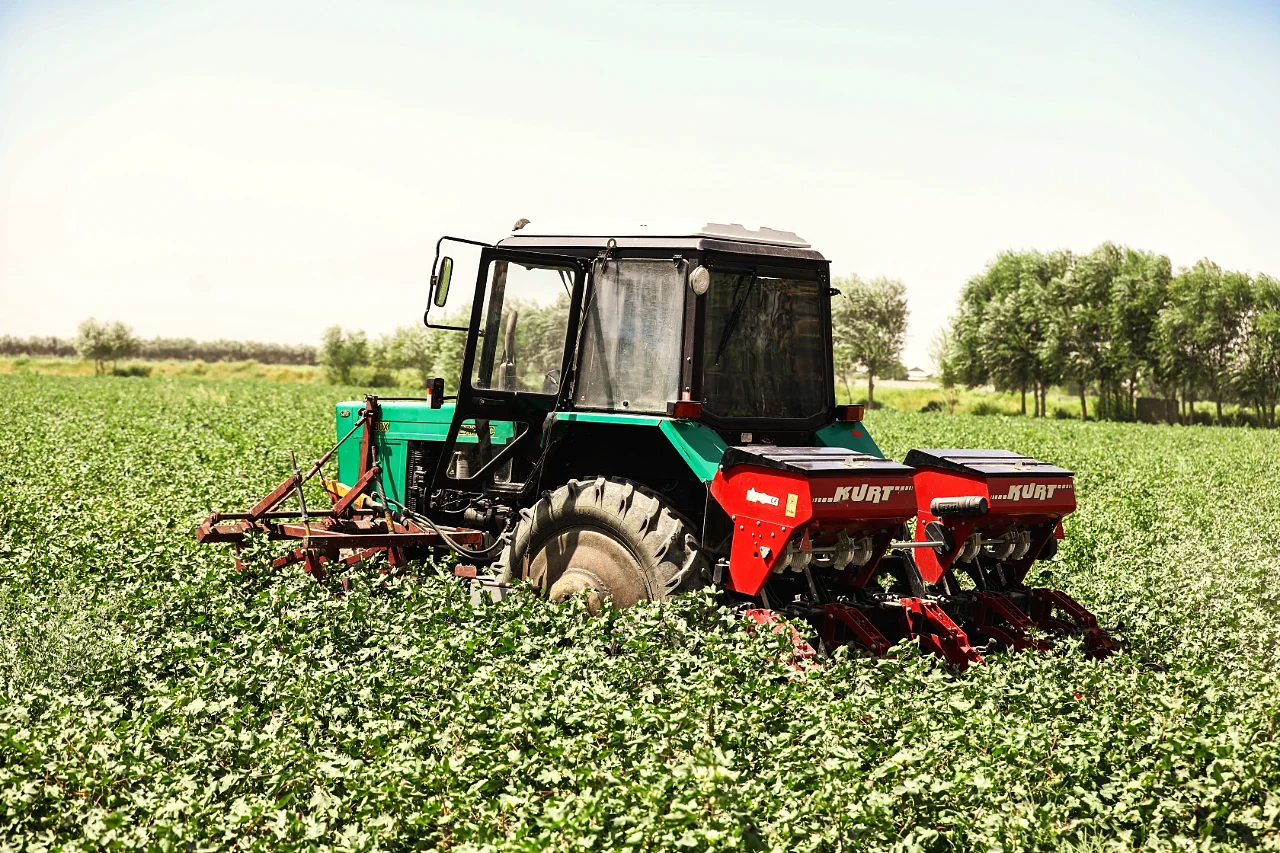
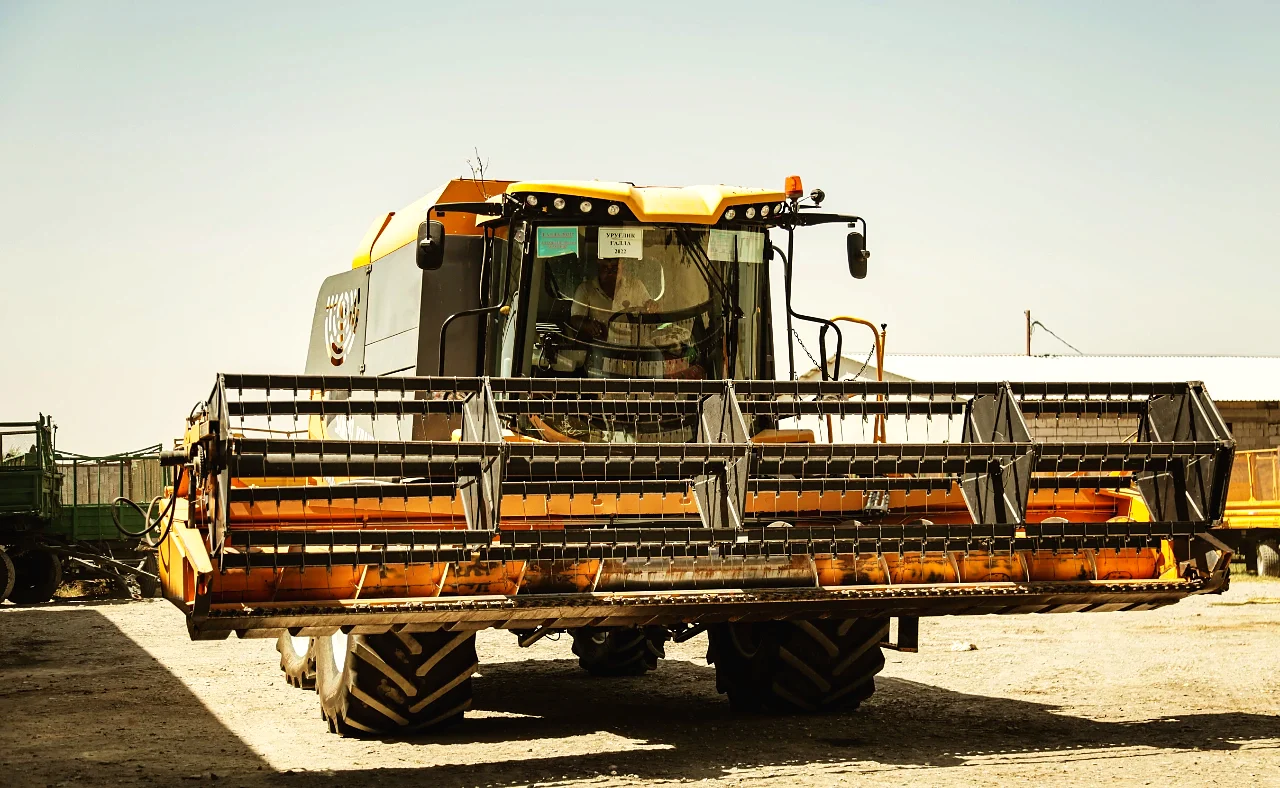
Picked dry, clean and on time.
Answered by BHR · Agronomist · Agro service, Jondor
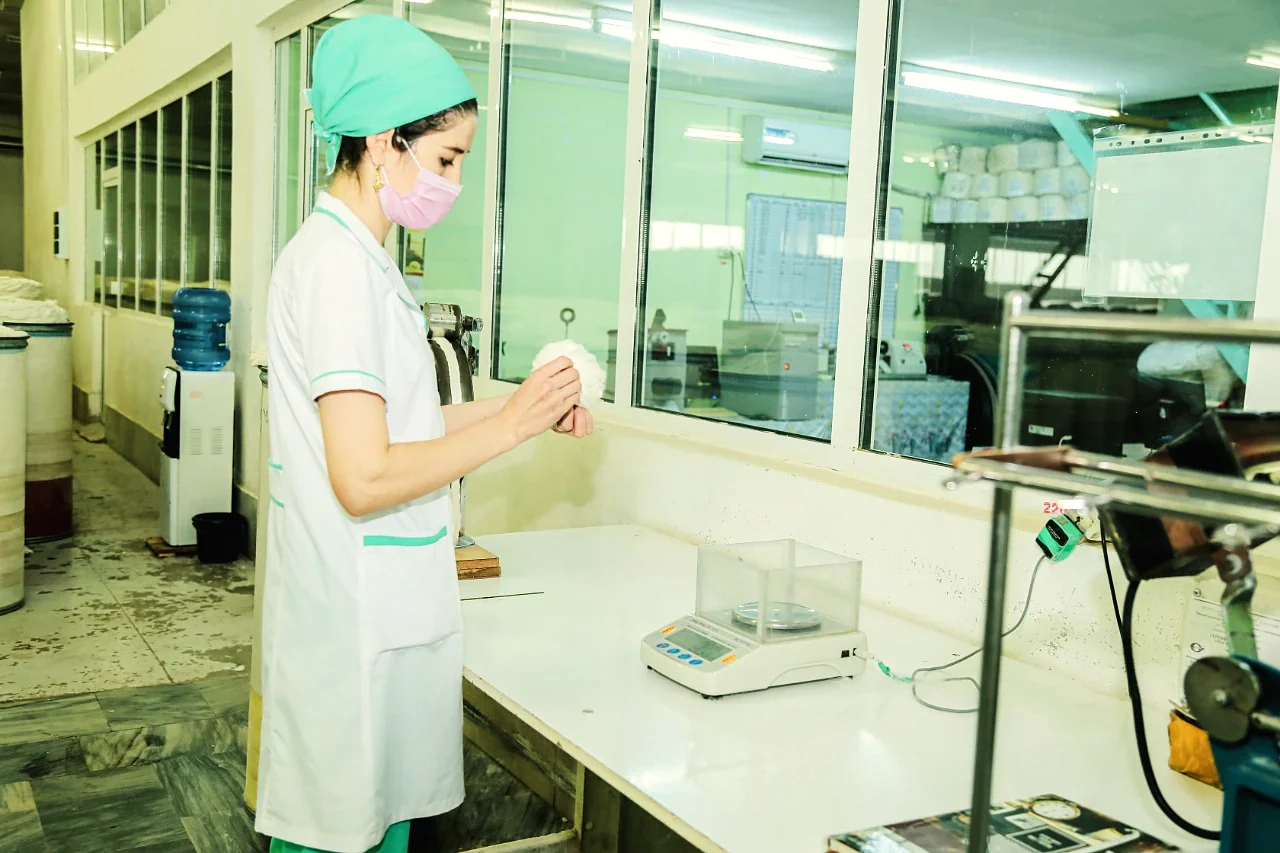
Measuring the fibre before it becomes yarn.
Answered by BHR · Fibre laboratory · Ginnery
The most comfortable fibre for anything worn next to the skin
Answered by BHR · Fibre laboratory · Ginnery
Did not find the answer here? Send us your question.