Cotton and fibres02 · Cotton pickingPinnedAnswered

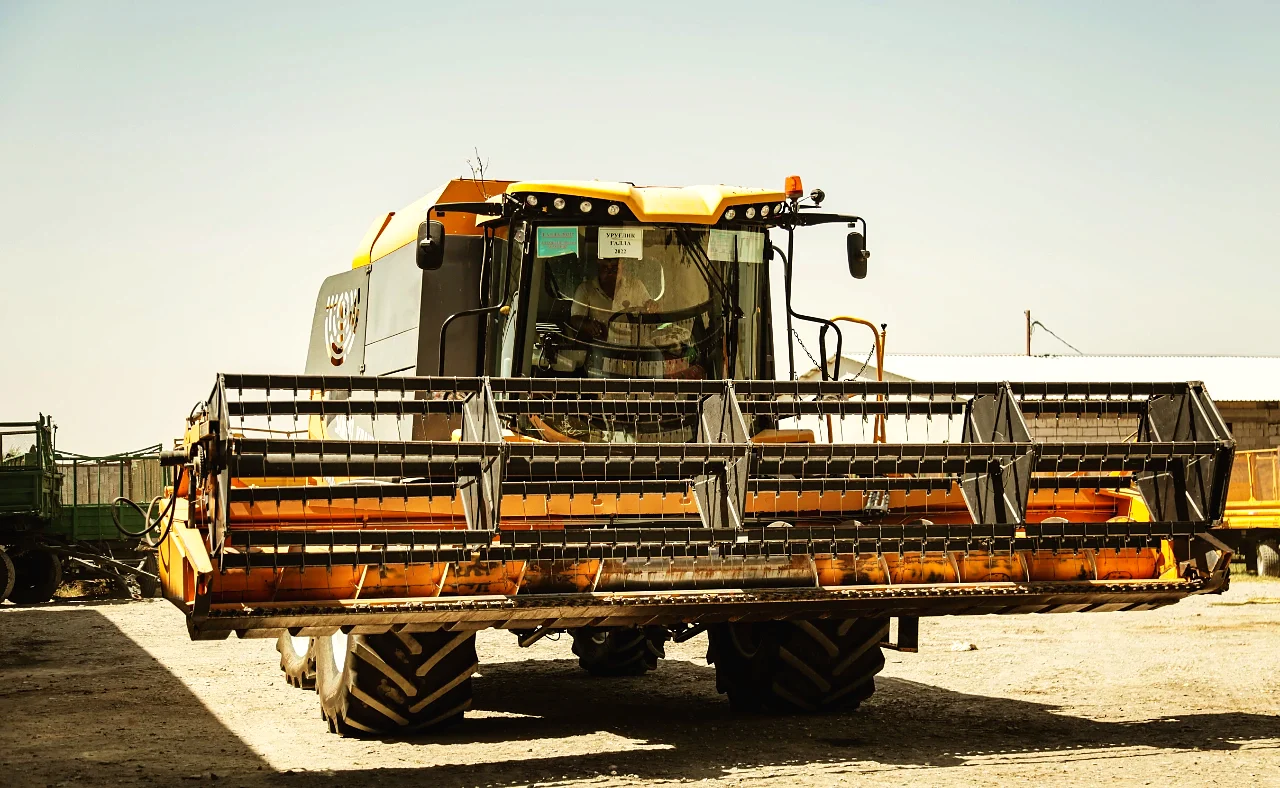
How does machine picking differ from hand picking?

Answered by BHR · AgronomistAgro service, Jondor8 posts · 8 sources

  1. QuestionCotton and fibres#1

    The question

    Picked dry, clean and on time.

    Step 02 of 12Cotton picking
  2. BHR · AgronomistAgro service, Jondor#2

    What happens

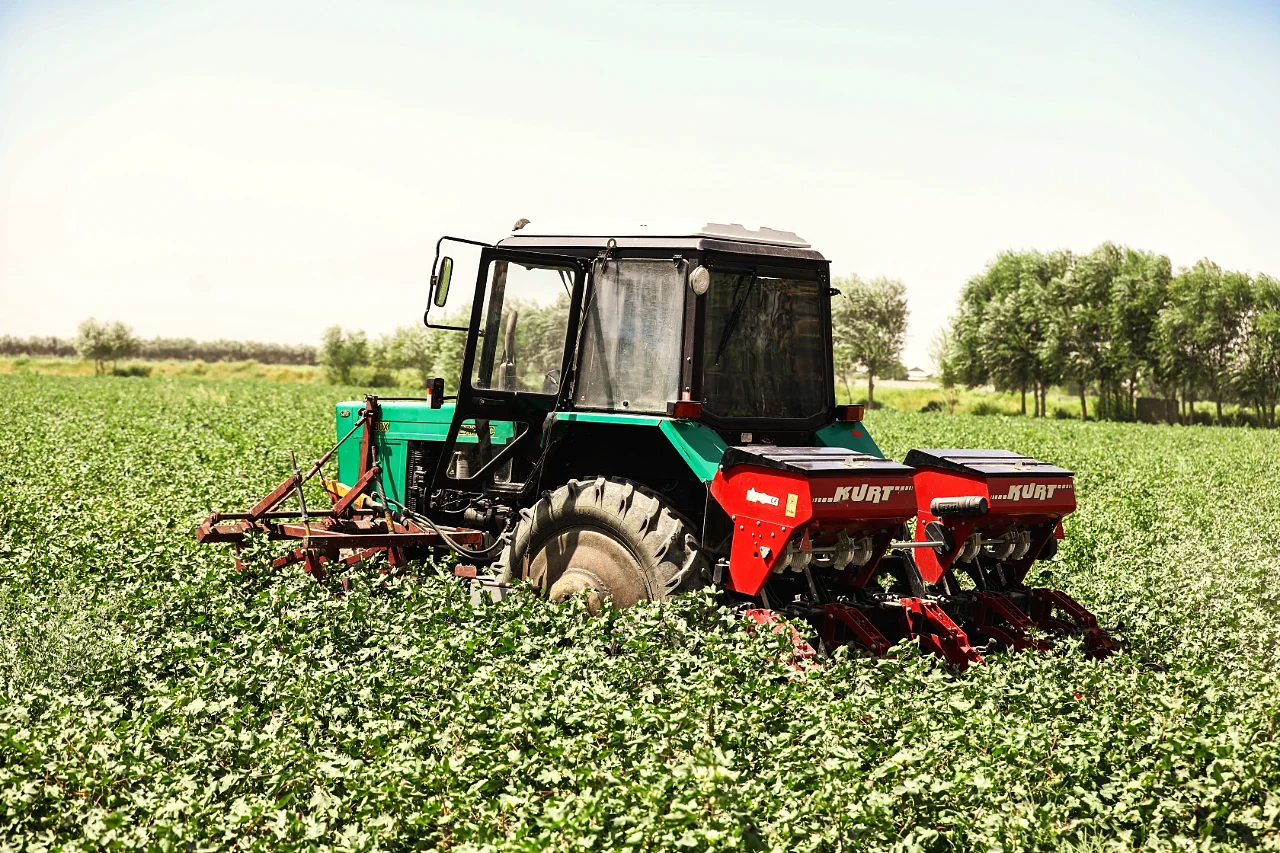
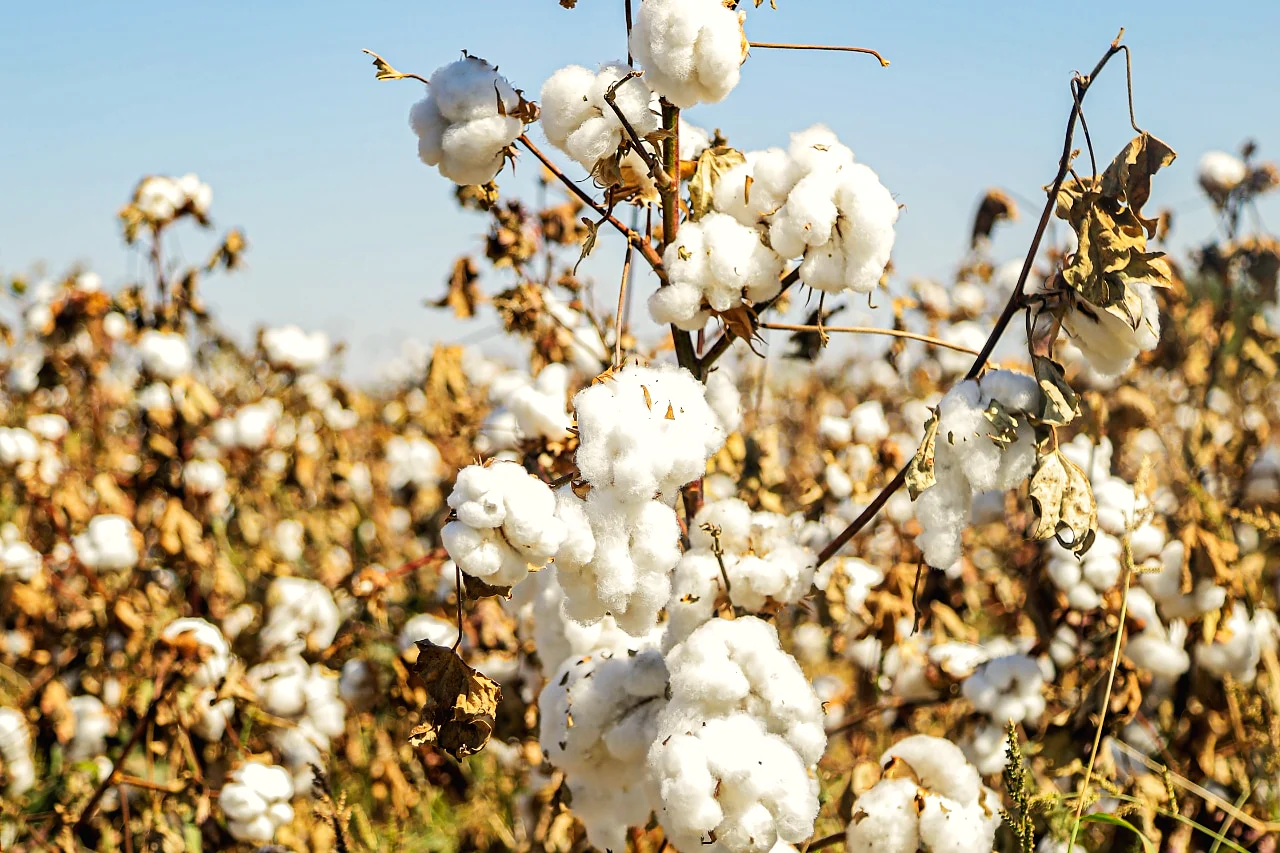
    Harvest gathers opened bolls as seed cotton: fibre still attached to the seed. Before machine picking, growers usually spray a defoliant so the plants shed leaves and less leaf trash enters the fibre; picking typically follows 10–14 days later. Cotton is picked by hand, in several passes as bolls open, or by machine, usually in one pass. It must be picked dry, kept free of plastic and other foreign matter, and stored in compact, covered heaps or modules until ginning. Fibre length and strength are already set by harvest time; from here on, the job is to protect them.

  3. BHR · AgronomistAgro service, Jondor#3

    Why it matters

    1. Plastic from harvest can reach the garment: polypropylene from sacks or twine can break yarn in spinning and weaving, and dyes differently, showing on finished fabric.
    2. Above 12% moisture, stored seed cotton yellows and loses colour grade; wetter cotton can be lost to overheating. Wet seed breaks more easily when ginned, leaving seed-coat fragments.
    3. Timing sets maturity. If defoliated too early, upper bolls do not finish filling: in trials, micronaire (fineness and maturity) fell about 6% per node above 2.6 NACB.
    4. Immature fibres tangle into neps, seen as light specks on dyed fabric. In a 2005 USDA study, hand-picked Chinese cotton had nep levels similar to machine-picked US cotton.
  4. BHR · AgronomistAgro service, Jondor#4

    Best practice

    • Time defoliation by crop maturity, using the open-boll share, a cut-boll seed test and NACB. In trials, defoliating at NACB 4 or less cost under 1% of yield, without fibre-quality loss.cotton.org (opens in a new tab)
    • Pick only dry cotton: seed cotton at or below 12% moisture, no dew or rain left on the fibre, relative humidity under 70%. Without a meter, seed should crack audibly when bitten.cotton.org (opens in a new tab)
    • Clear plastics and debris from fields before harvest, clean harvesters and check them daily for hydraulic leaks and grease, keep modules away from debris, and remove every cover before ginning.cotton.org (opens in a new tab)
    • For hand picking, replace polypropylene and other synthetic bags with non-synthetic ones over time, and train pickers on contamination. Better Cotton lists polypropylene string, human hair and textile scraps as contaminants.bettercotton.org (opens in a new tab)
    • Store seed cotton in compact, covered modules on well-drained ground. Check temperature daily for 5–7 days; a rise over about 11 °C or reaching 43 °C signals wet cotton: gin at once.cotton.tamu.edu (opens in a new tab)
  5. BHR · AgronomistAgro service, Jondor#5

    At BHR

    • 2districts with the company's own cotton fields: Navbahor and Payariq
  6. BHR · AgronomistAgro service, Jondor#6

    Did you know?

    Since 2018, US cotton grading has separate codes for plastic. USDA warns plastic is usually spread unevenly through a bale, so a clean sample does not prove a clean bale.

    cotton.org (opens in a new tab)
  7. BHR · AgronomistAgro service, Jondor#7

    The terms

    Seed cotton
    Freshly picked cotton: fibre still attached to the seed, before ginning.
    Defoliation
    Spraying a harvest aid so plants shed leaves, reducing leaf trash in fibre.
    Module
    A compacted, covered block of seed cotton stored before ginning.
    Micronaire
    An instrument reading of fibre fineness and maturity.
    NACB
    Nodes above cracked boll: unripe boll nodes above the highest opened boll.
  8. BHR · AgronomistAgro service, Jondor#8

    Sources

    1. Cotton Harvest Management, Ch. 5: Harvest aids (The Cotton Foundation) (opens in a new tab)cotton.org
    2. Round Module Moisture Considerations (Cotton Incorporated, NCGA, USDA-ARS, 2020) (opens in a new tab)cotton.org
    3. Cotton contamination prevention brochure (National Cotton Council) (opens in a new tab)cotton.org
    4. Better Cotton Principles and Criteria v3.0 (opens in a new tab)bettercotton.org
    5. Just Build It: Seed Cotton Storage and Handling in Modules (Texas A&M / NCC) (opens in a new tab)cotton.tamu.edu
    6. Bell, USDA-ARS: neps in hand-picked and machine-picked cotton (Beltwide Cotton Conferences 2005) (opens in a new tab)cotton.org
    7. Trützschler T-Scan contamination detection (Textile World supplier note, 2025) (opens in a new tab)textileworld.com
    8. USDA AMS memo: new extraneous-matter codes for plastic in cotton samples (2018) (opens in a new tab)cotton.org

Cotton and fibres

More in this board

All 10 threads in this board

From cotton picking to finished garment in 12 steps

  1. 01Growing cotton
  2. 02Cotton picking
  3. 03Ginning
  4. 04Fibre testing and classing
  5. 05Opening, blending and cleaning
  6. 06Carding and drawing
  7. 07Spinning and winding
  8. 08Knitting and weaving
  9. 09Dyeing and finishing
  10. 10Pattern making and cutting
  11. 11Sewing and printing
  12. 12Inspection, packing and delivery

Still have a question on this?

Did not find the answer here? Send us your question.

Send a question